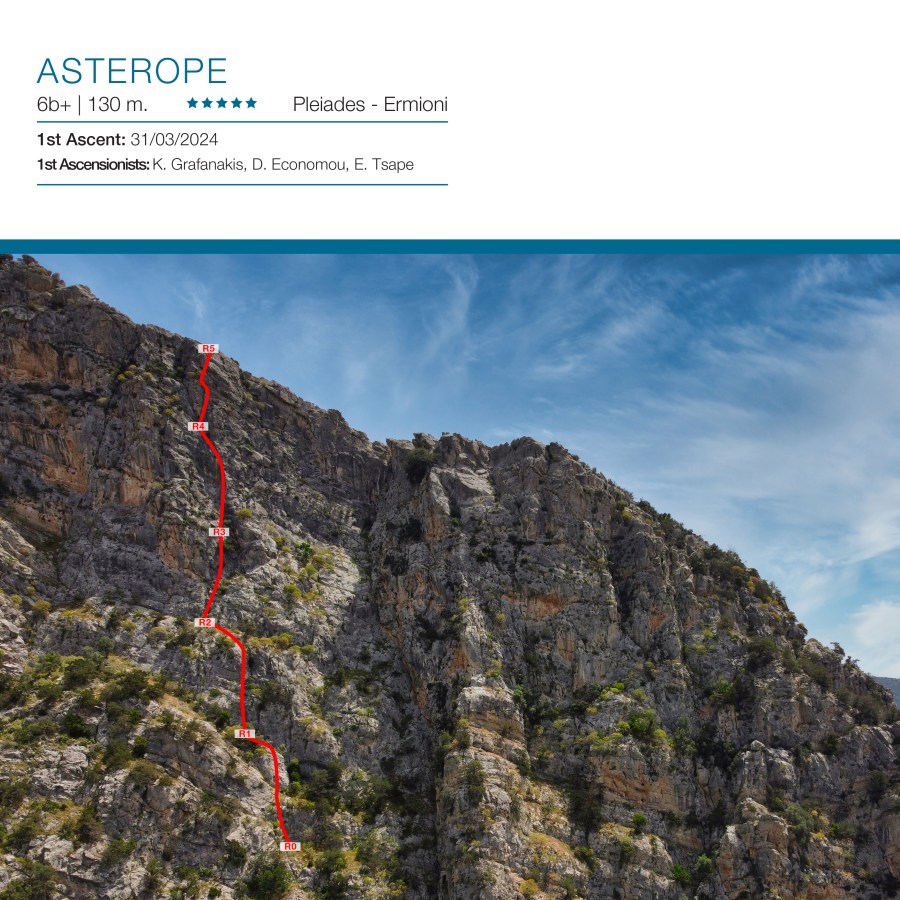
Asterope, one of the seven celestial sisters of the Pleiades constellation, lends her name to one of the most captivating multi-pitch routes of Katafyki Gorge in Ermioni. Just as the mythical Asterope was transformed into a star by Zeus, this route invites climbers to rise skyward , from the rugged limestone walls of the gorge to the open blue above the Peloponnese.
From a climber’s perspective, the Asterope route is both a challenge and a revelation. Technical slab climbing, exposed pitches, and rewarding views that unfold with every meter gained.
Reaching the top of Pleiades Crag through Asterope feels like touching the heavens themselves. The rock is solid yet demanding, the movement elegant yet precise. A perfect balance of strength, focus, and serenity amid the mythic landscape of Ermionida.
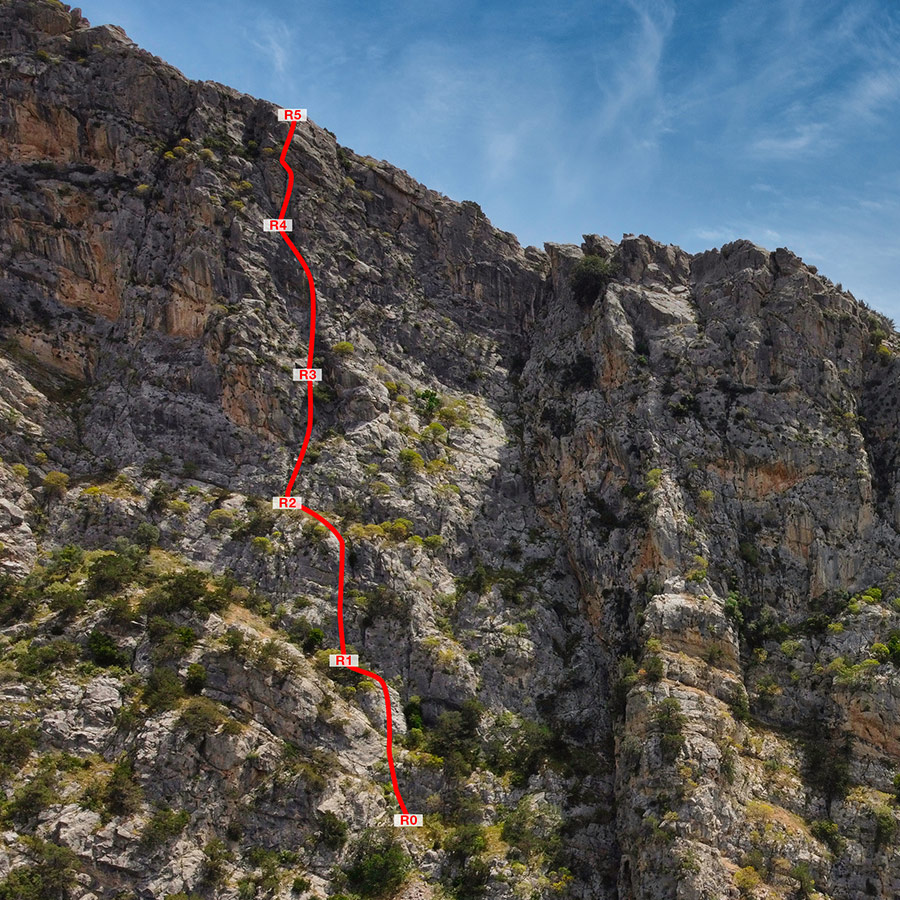
Asterope 6b+ | 5 Pitches, 130 m. – | Multi Pitch Climbing in Pleiades Crag, Katafyki – Ermioni
Established in March 2024 by K. Grafanakis, D. Economou and E. Tsape, Asterope (5 pitches, 6b+ 130 m.) is a newly fully bolted Multi Pitch route that brings a fresh and accessible challenge to the Katafyki Gorge and Pleiades Crag. The first ascent was completed by the route setters on the 31 March 2024.
Location:
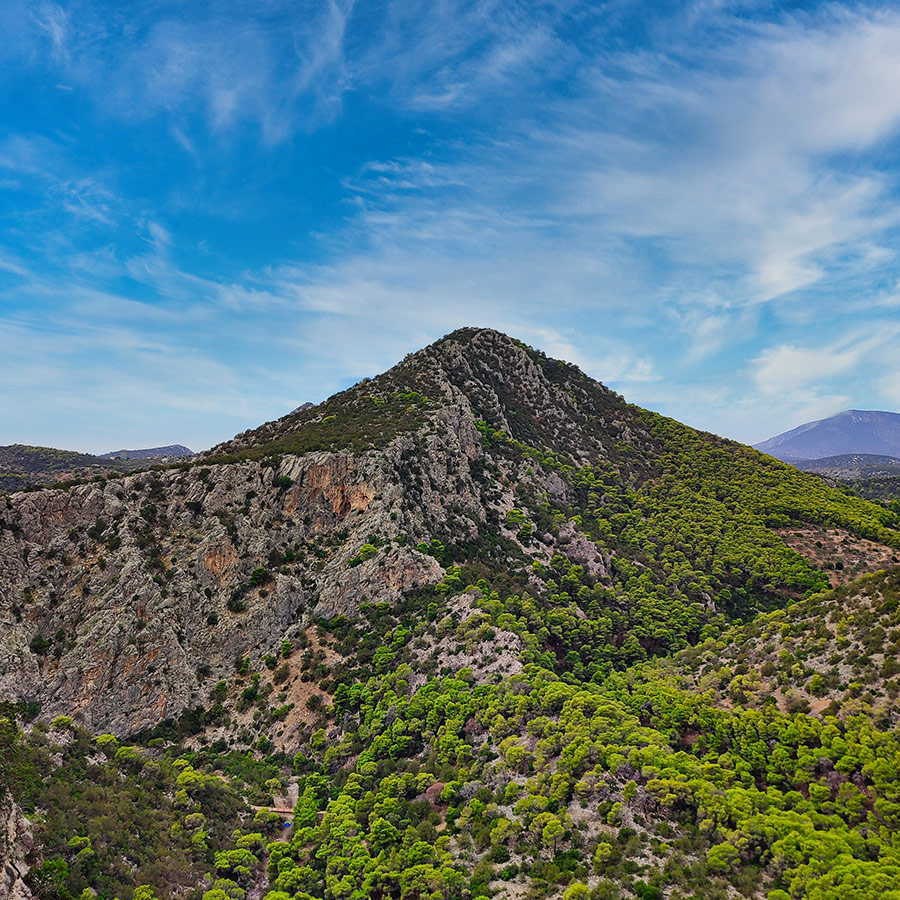
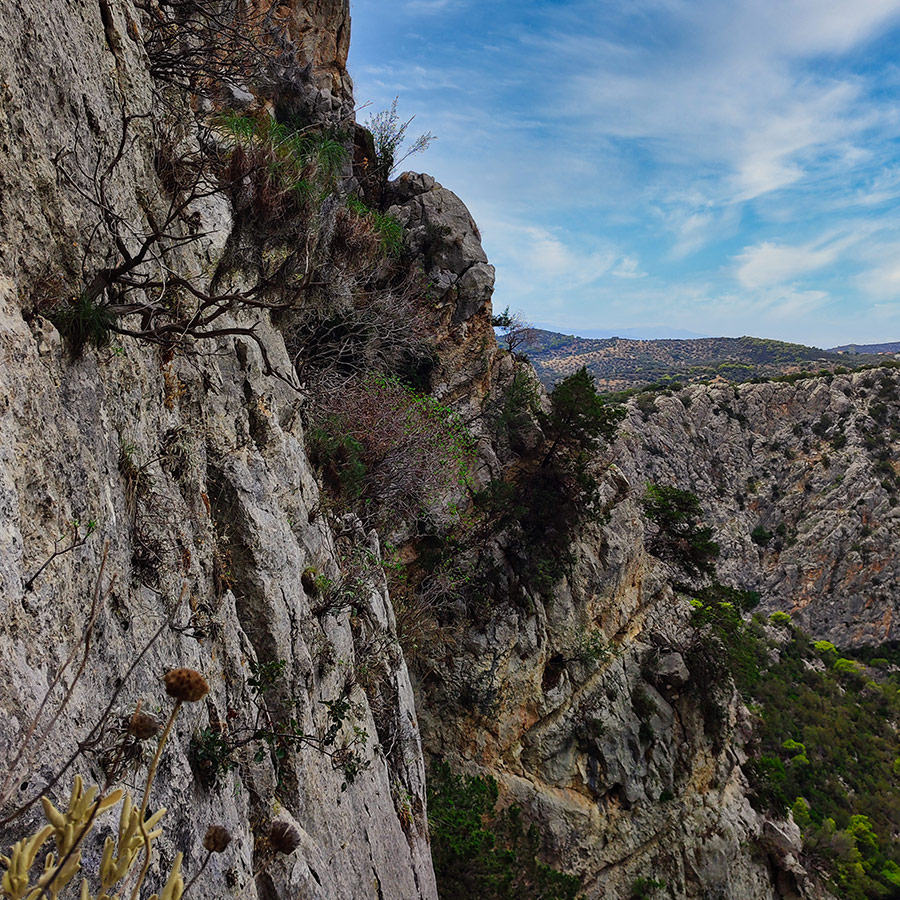
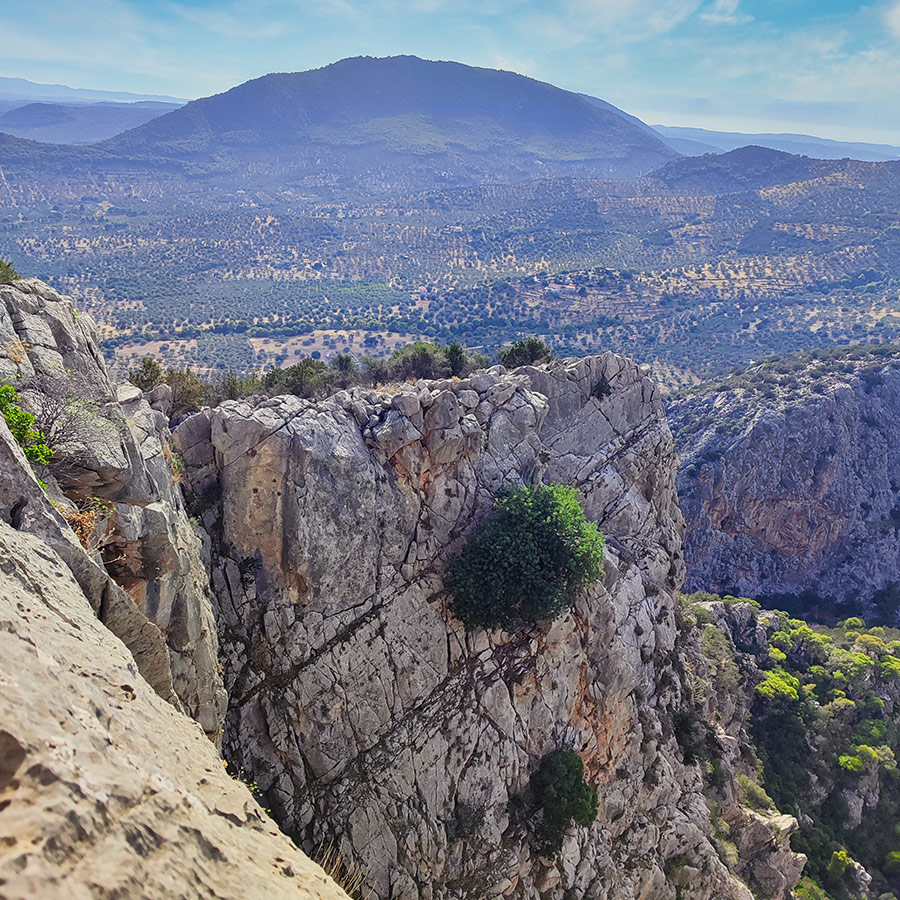
Asterope is found on the Pleiades Crag, positioned along the western wall of Katafyki Gorge, between Katafyki Main Crag and Petrogerakas Crag.
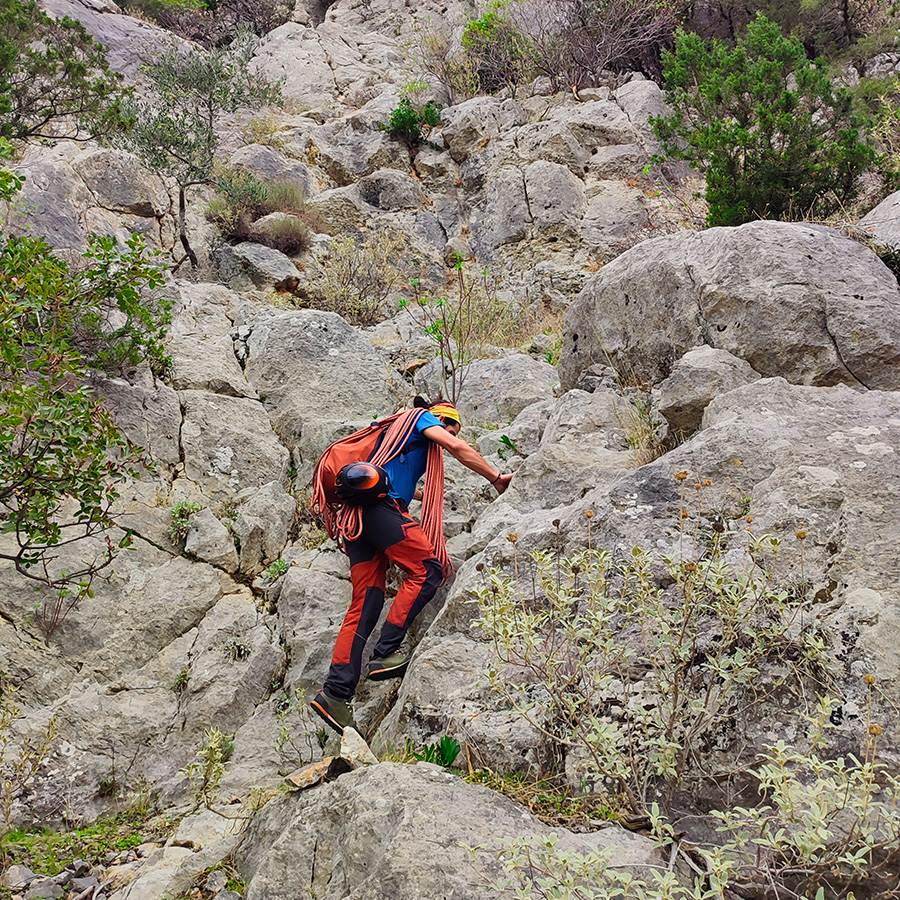
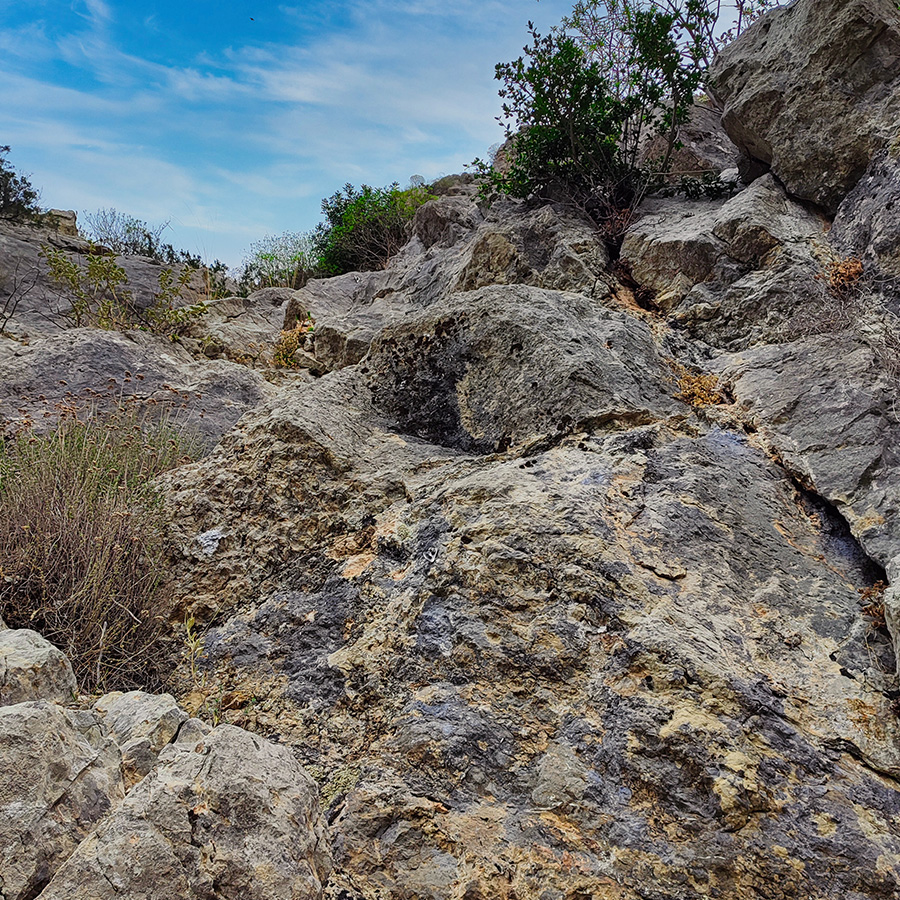
The line begins just left of the distinct dihedral formed between the Ridge of Maia and the slab system of Pleiades. From the base of Maia, follow the lower path beneath Electra, keeping an eye out for cairns that lead toward a cluster of low boulders.
Scramble up onto these boulders to reach a natural ledge, which marks the start of Asterope. From here, follow the line of bolts trending left (west) across the wall.
Route Description:
Asterope unfolds over five pitches, delivering a memorable multi-pitch adventure on superb limestone. The route is fully bolted and features bolted belay stations at every stance, making it a safe and enjoyable climb for teams comfortable leading in the 6b–6b+ range.
- Grade: 6b+
- Length: 130 metres
- Style: Sport Climbing Multi Pitch
- Protection: fully bolted
Rock Quality & Recommendations:
The route follows solid limestone with excellent friction, offering an enjoyable and generally secure climbing experience. However, as this is a mountaineering-style route, caution is advised foroccasional loose rock or small debris may be encountered along the way.
Support the journey — buy me a coffee
I share these articles and the climbing guidebooks because I love the outdoors, and they’ll always be free. If they’ve helped you, help me keep them coming. Click the button to support my work.

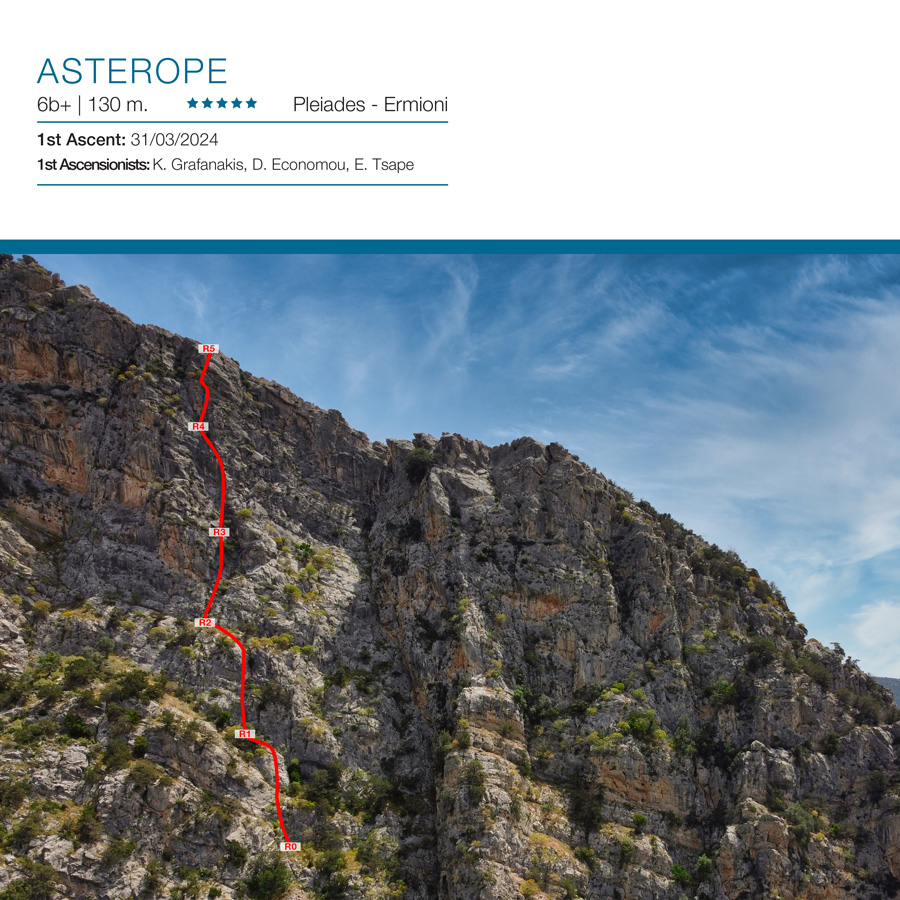
MultiPitch routes in Pleiades crag as of October 2025
Electra VI UIAA, 4 Pitches, 145 m.
Taygete 6b+, 6 pitches, 205 m.
Asterope 6b+, 5 pitches 130 m.
Approach
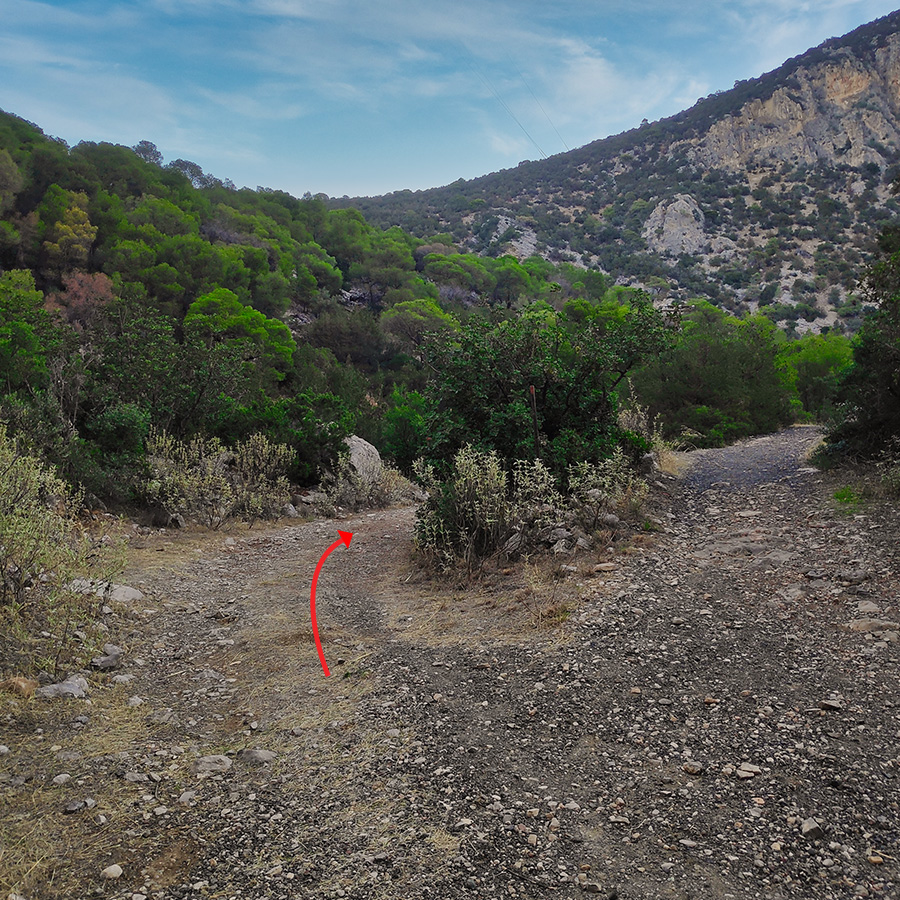
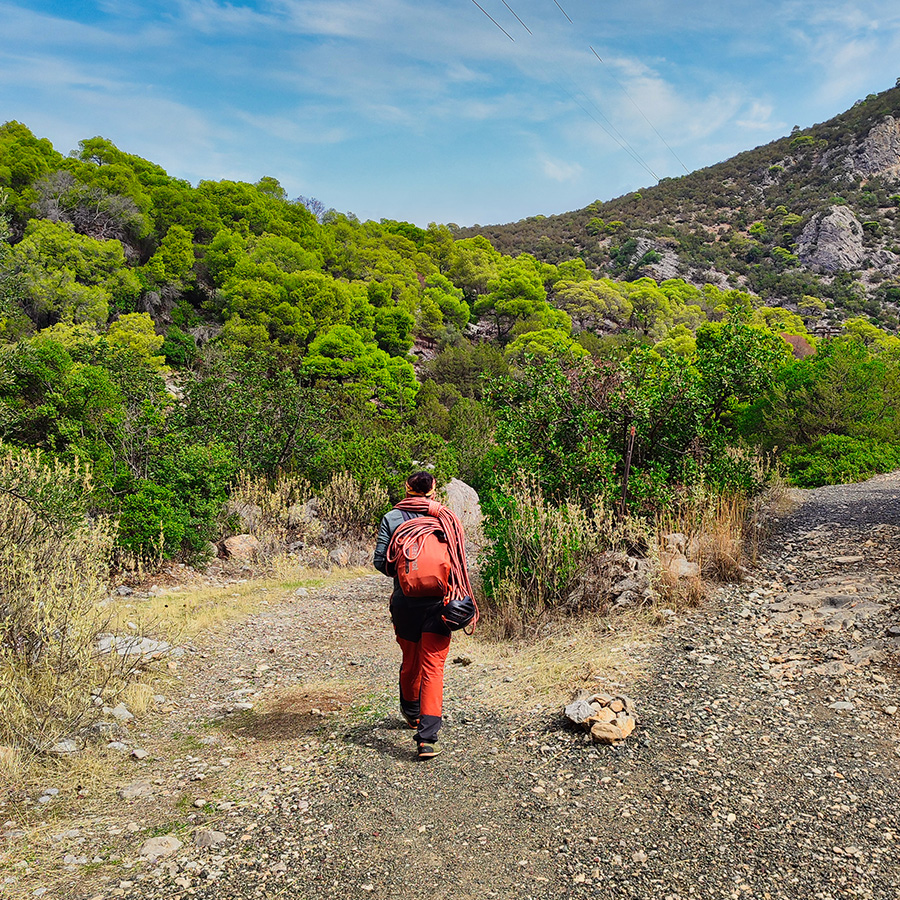
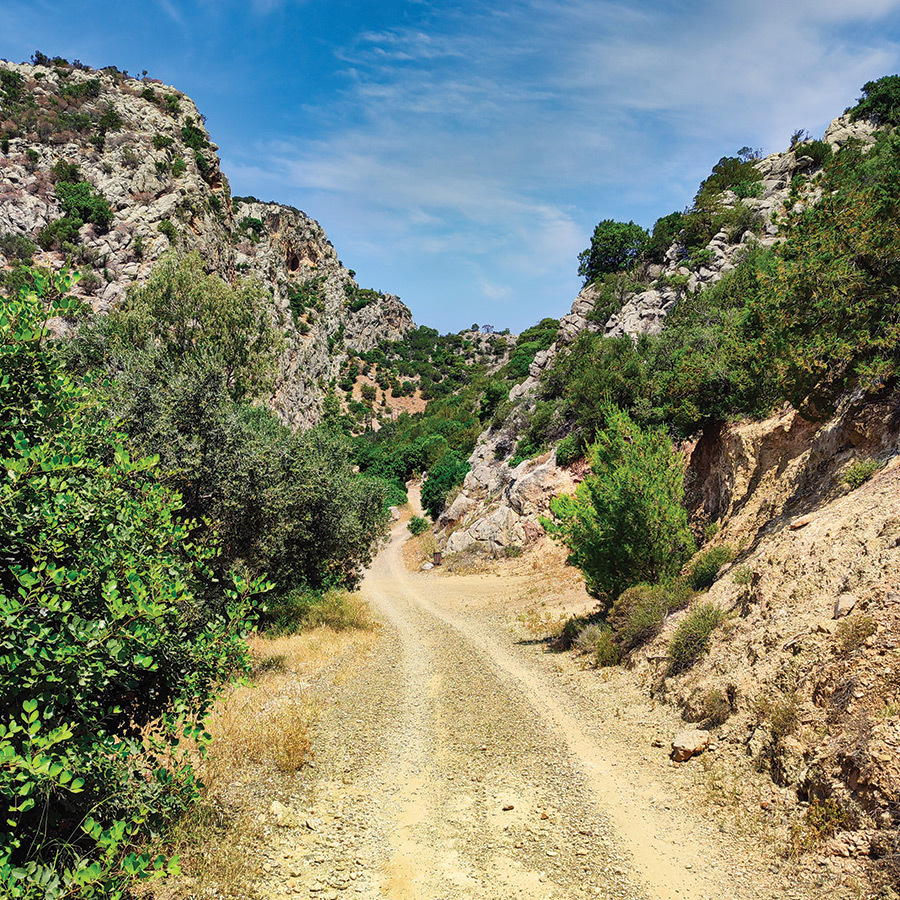
Approaching Kranidi from the north, you will come across an intersection. Follow the signs to Ermioni and drive along the long straight section until you reach an inconspicuous stone chapel on your left and a small sign towards Katafyki Gorge (oriented towards the opposite direction so it’s easy to miss!). Take a hard left and follow the tight tarmac road for about 3 km. until you come to an agricultural dirt road with a sign pointing to Katafyki Gorge to the west. Another 500 m. of well trodden dirt road among olive groves and you are at the crag.
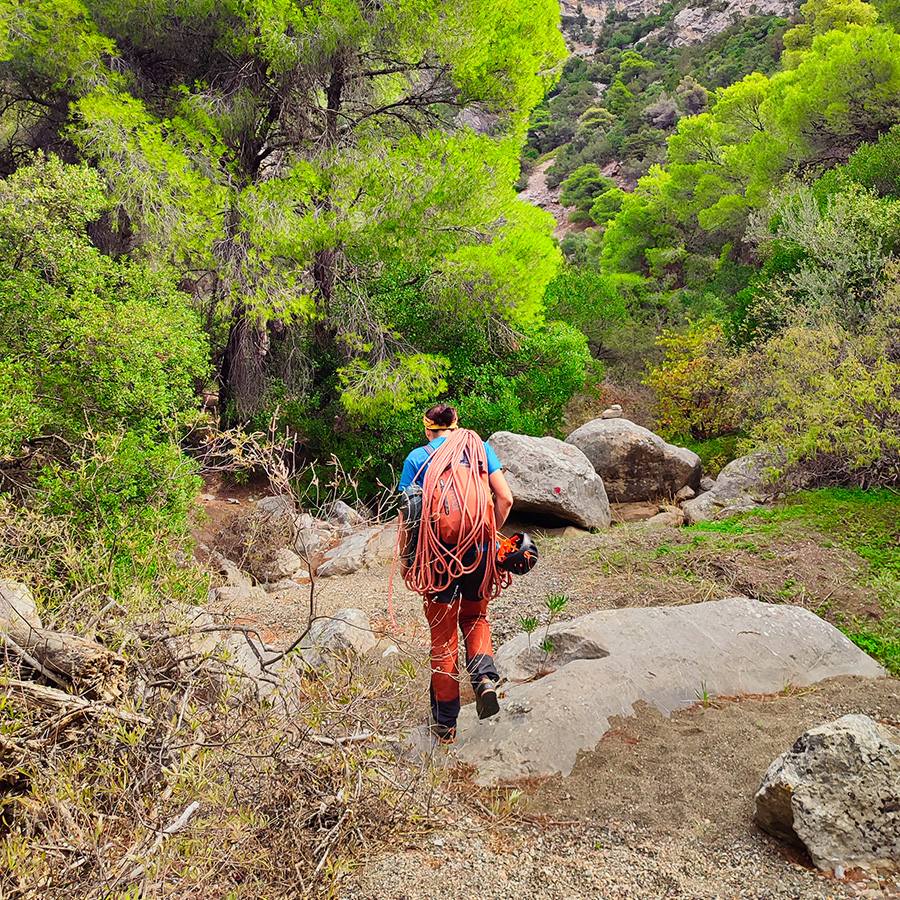
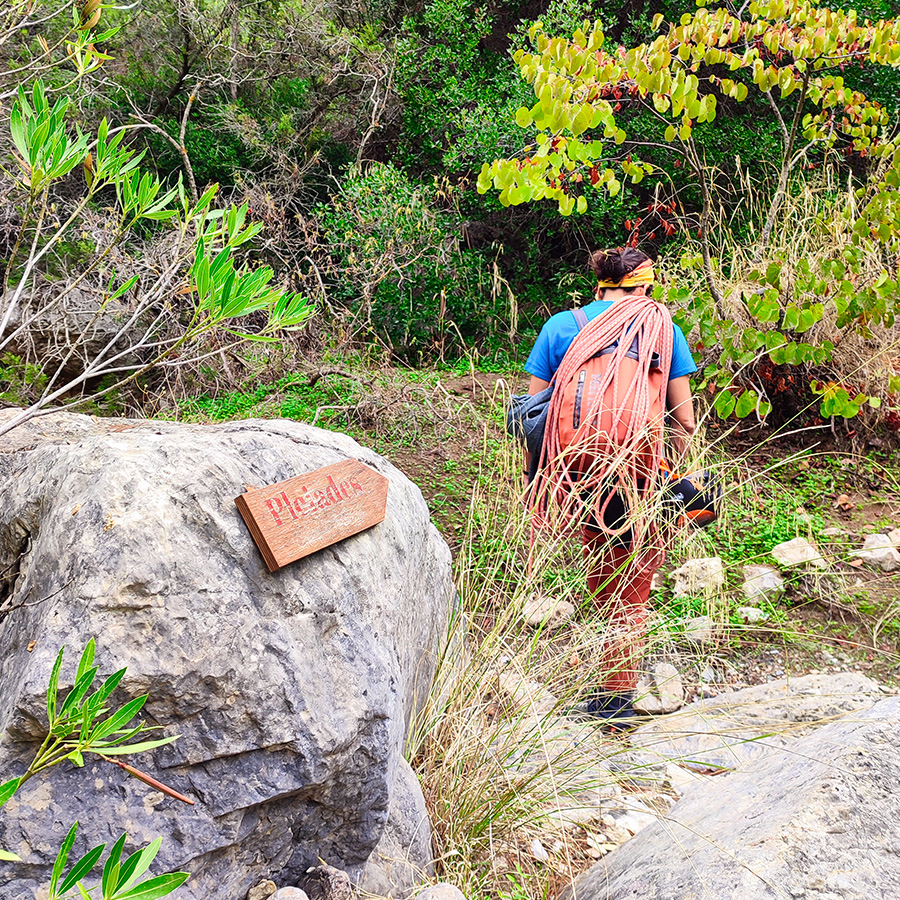
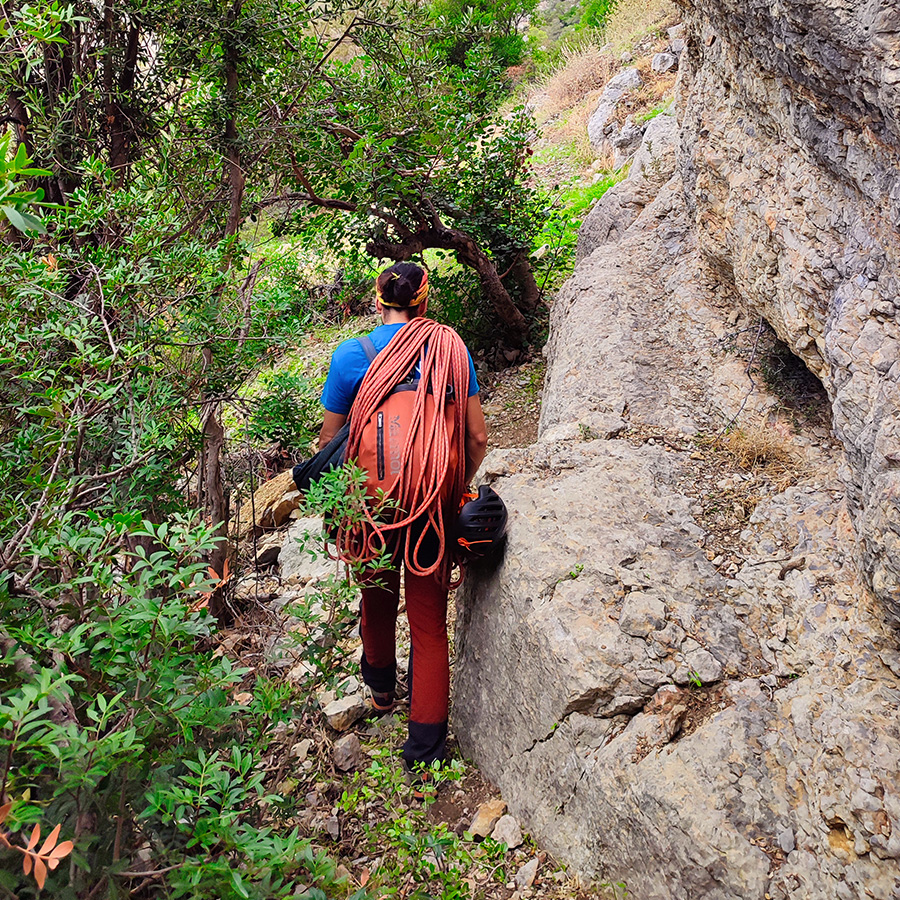
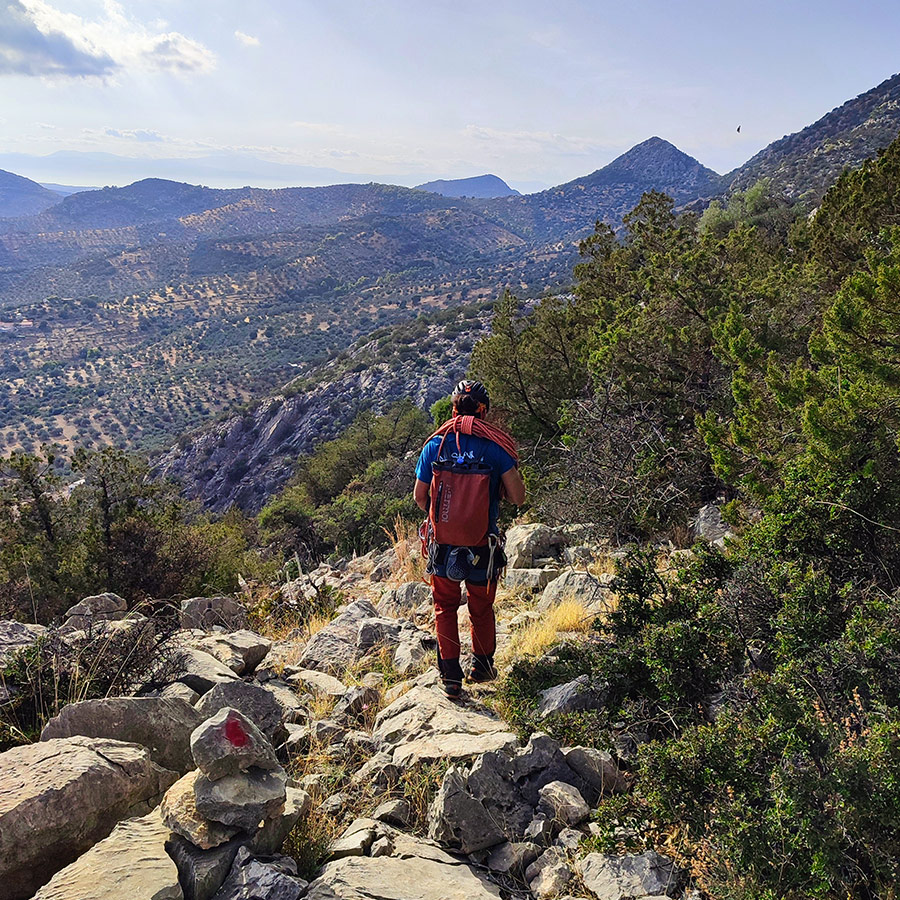
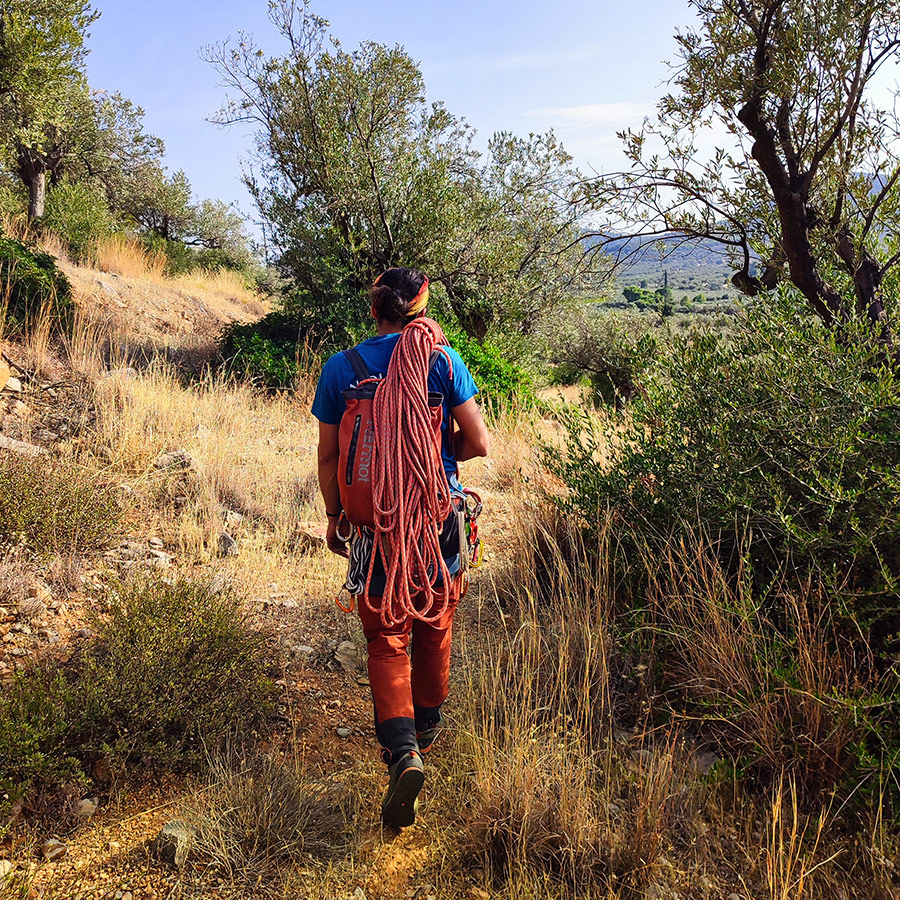
Park the car at the St. Nicholas chapel and follow the trail that goes under the bridge. From that point, you will have a clear view of the ridge and you have to follow the cairn (pile of stones).
From the parking spot till the beginning of the route, you will need about 15 minutes of hike.
Route description
R0 – R1 | 5b, 25 m. | 10 Bolts
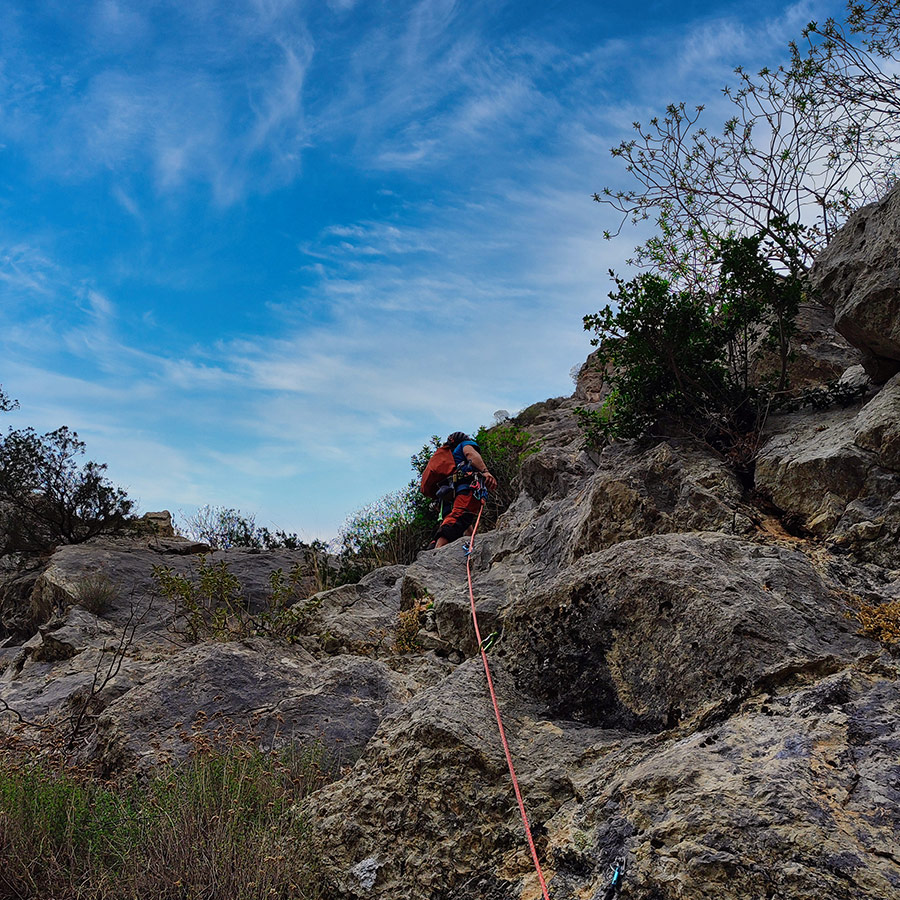
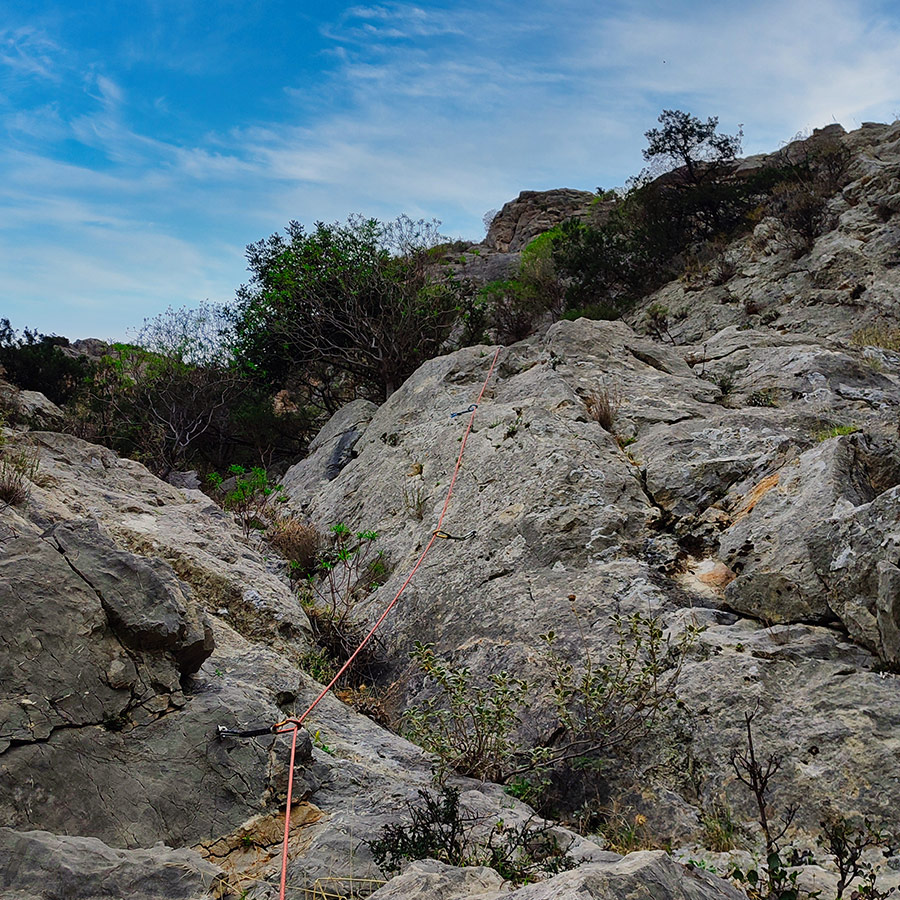
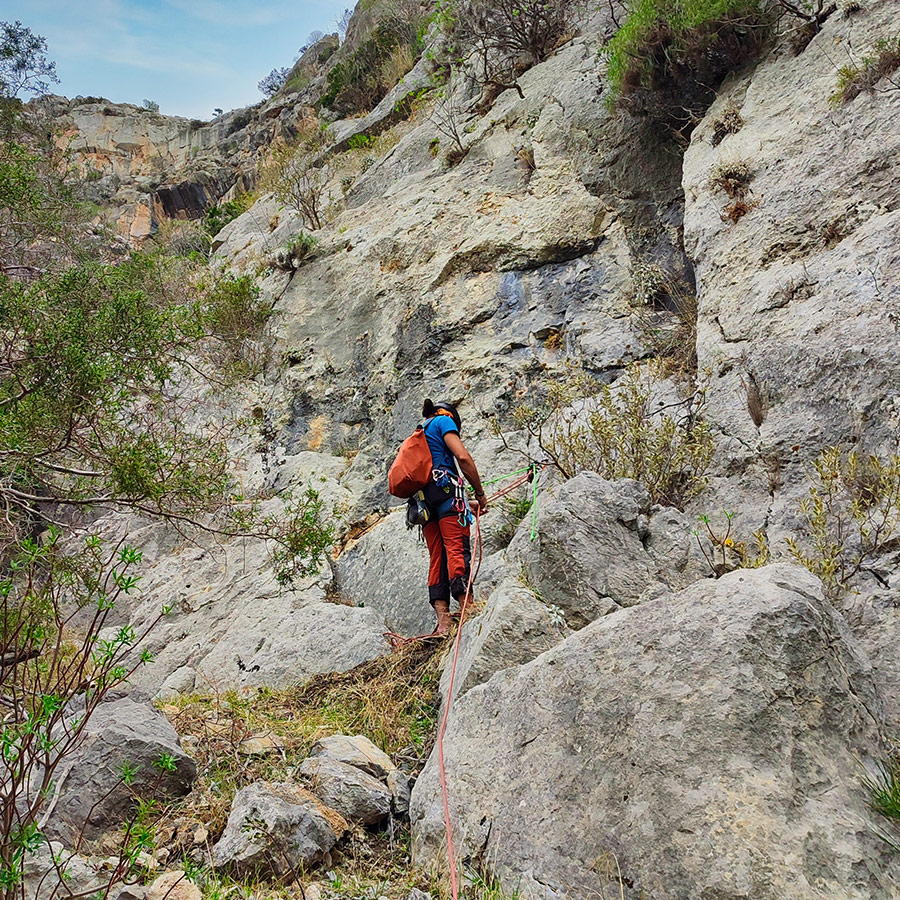
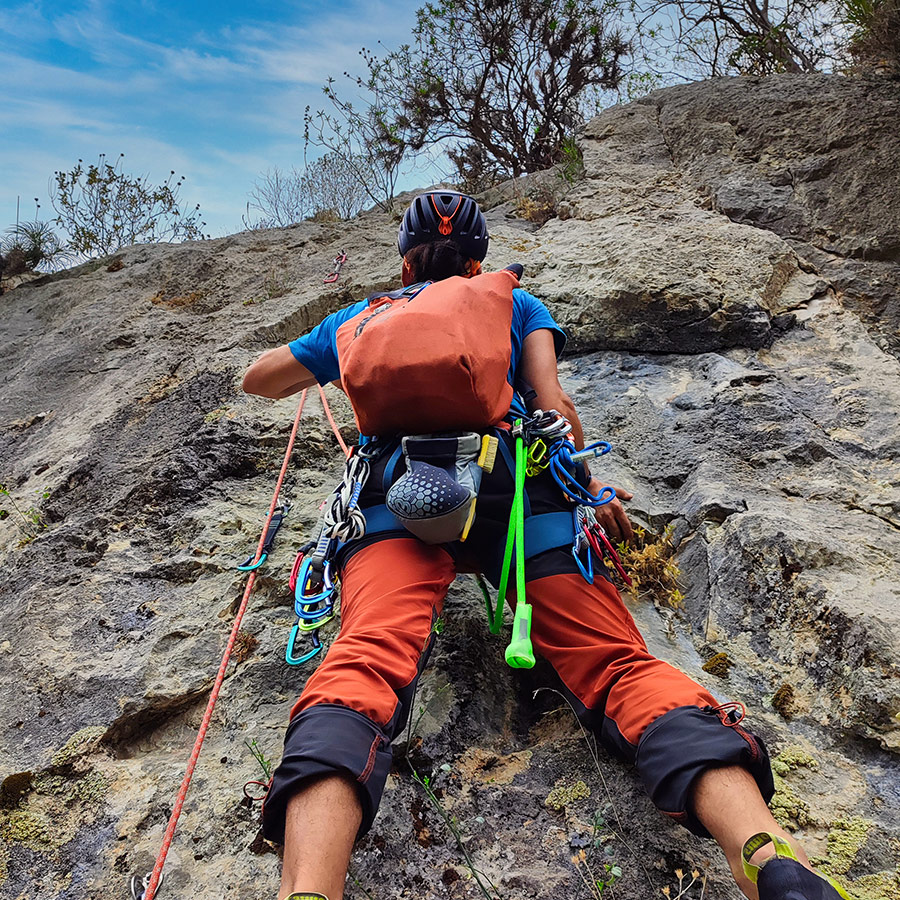
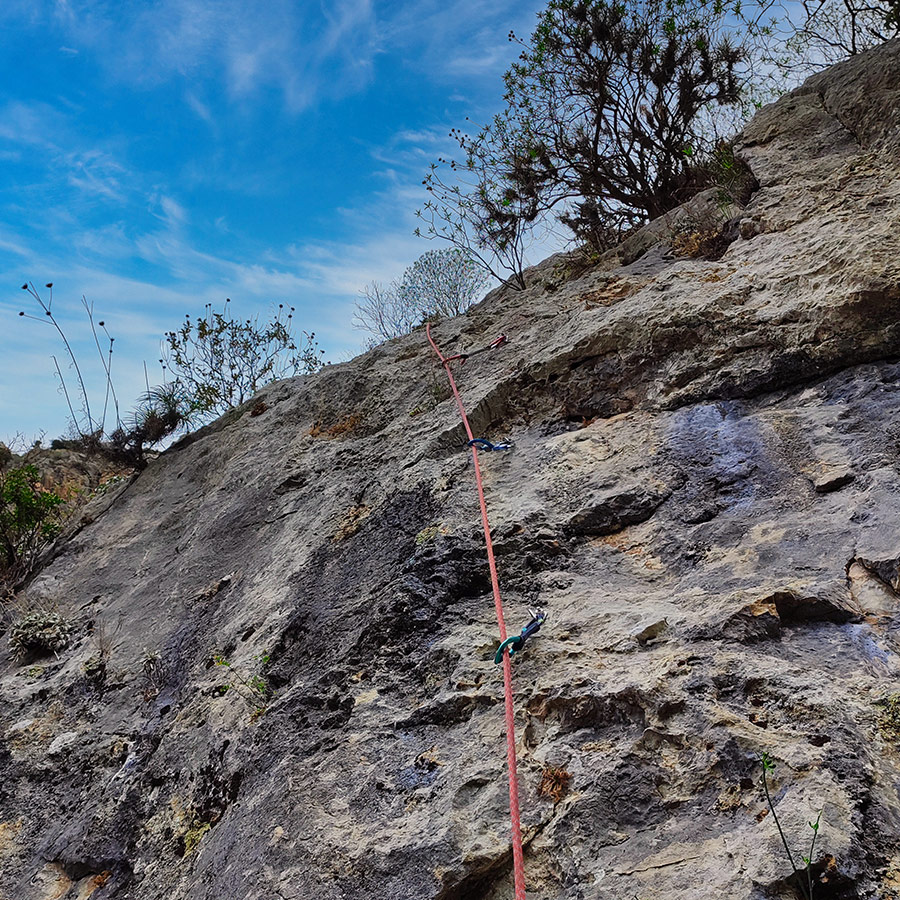
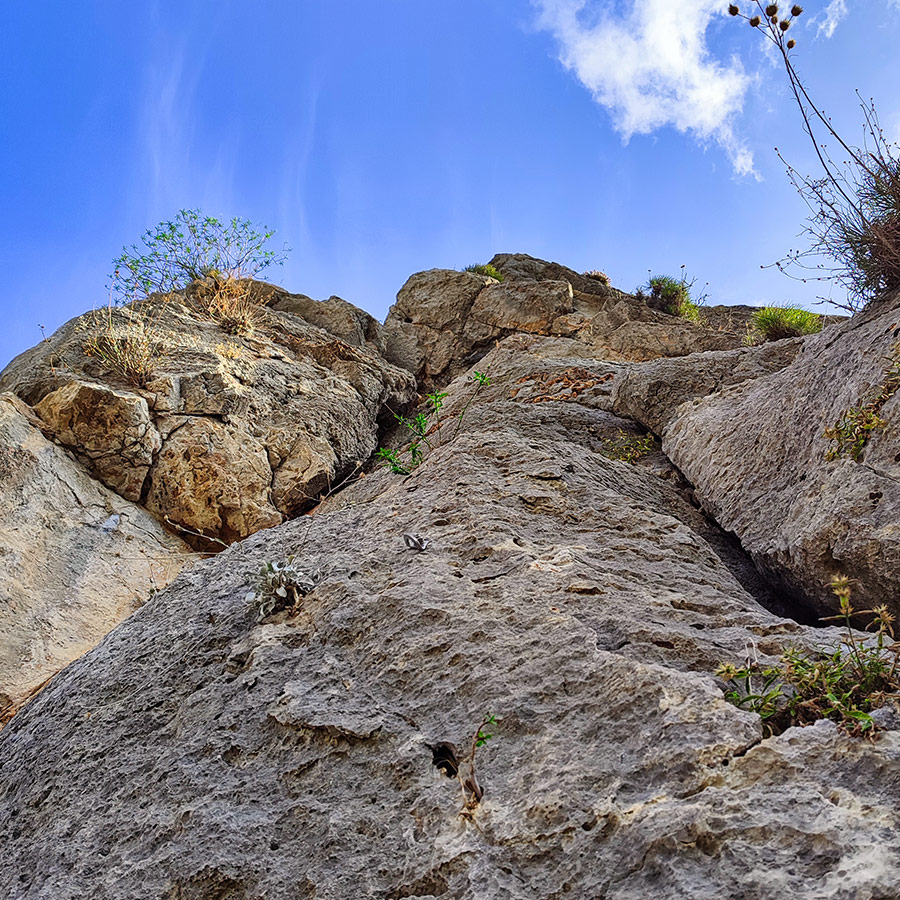
The first pitch of Asterope starts further left (west) of the prominent ridge where Maia is located. The terrain here eases you in, with friendly features and solid, well-structured limestone.
Follow the bolts trending left, climbing over a few well-protected bulges in the opening meters. Above, the line moves onto a pleasant slab with excellent footholds and positive hand placements, offering relaxed, fluid movement—an ideal warm-up for the pitches ahead. Around the sixth bolt, expect the crux section (5b) of this pitch.
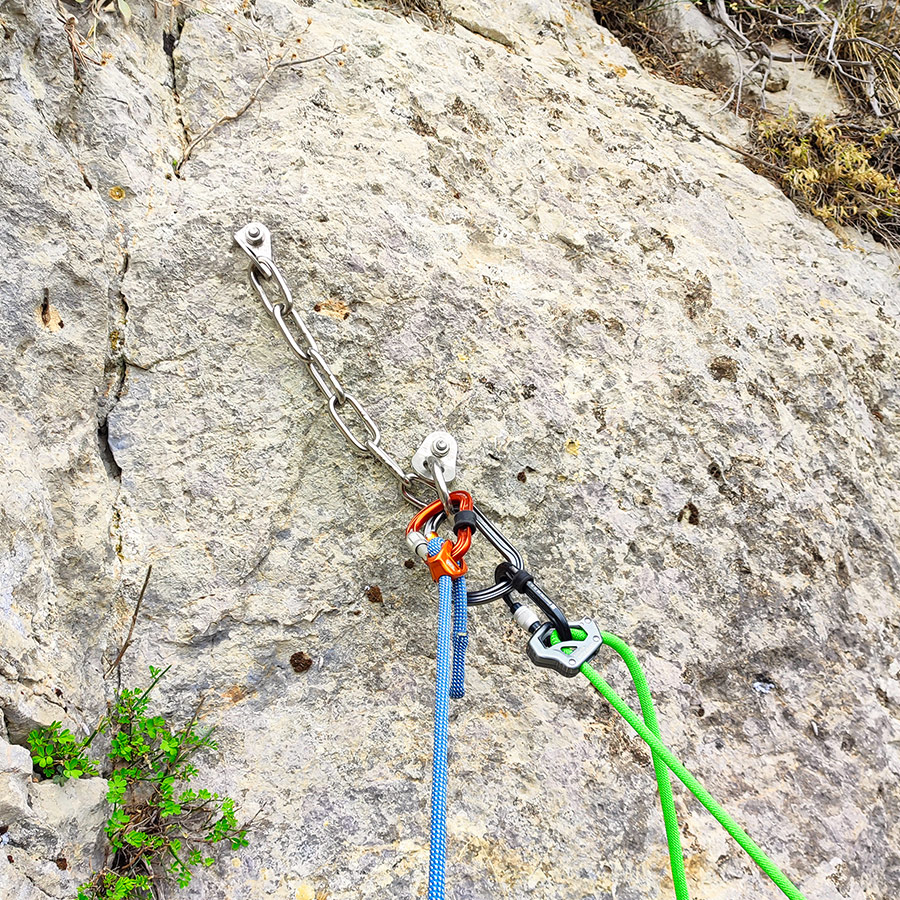
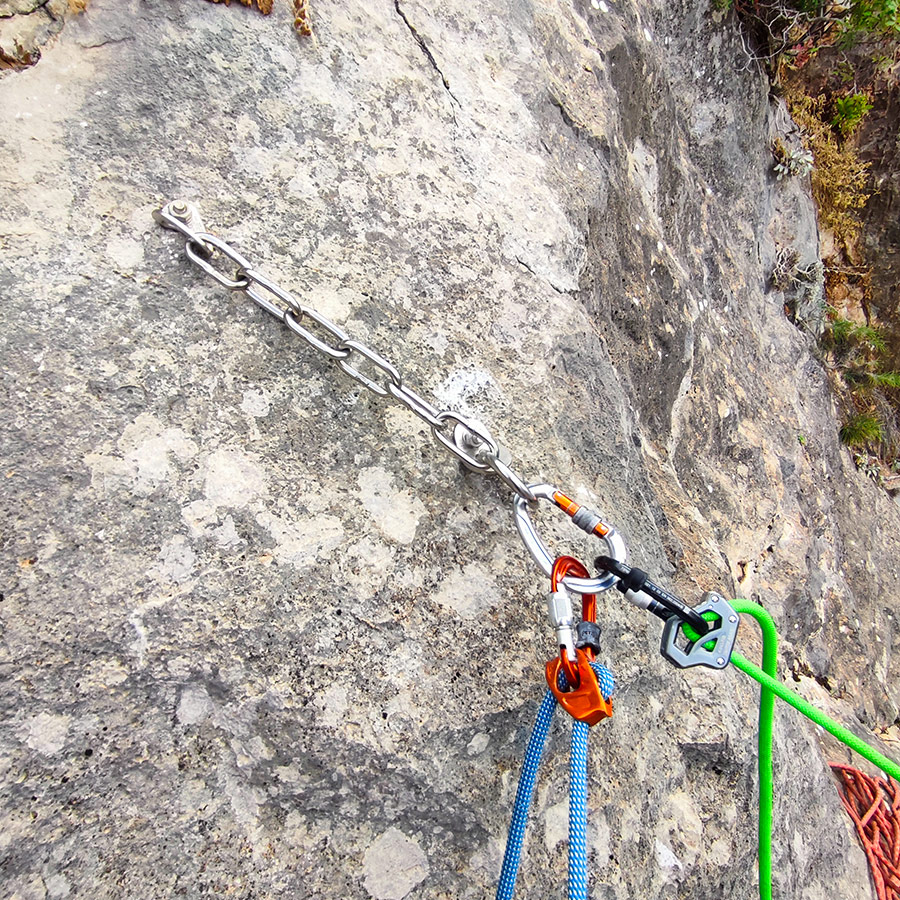
The pitch finishes on a spacious belay ledge, equipped with two stainless-steel anchors for a secure and efficient stance. The belay is comfortable and exposed, with sweeping views over the Katafyki Ravine and the surrounding limestone walls—a perfect spot to rest, hydrate, and take in the scenery before committing to the next pitch.
R1 – R2 | 5c, 30 m. | 14 Bolts
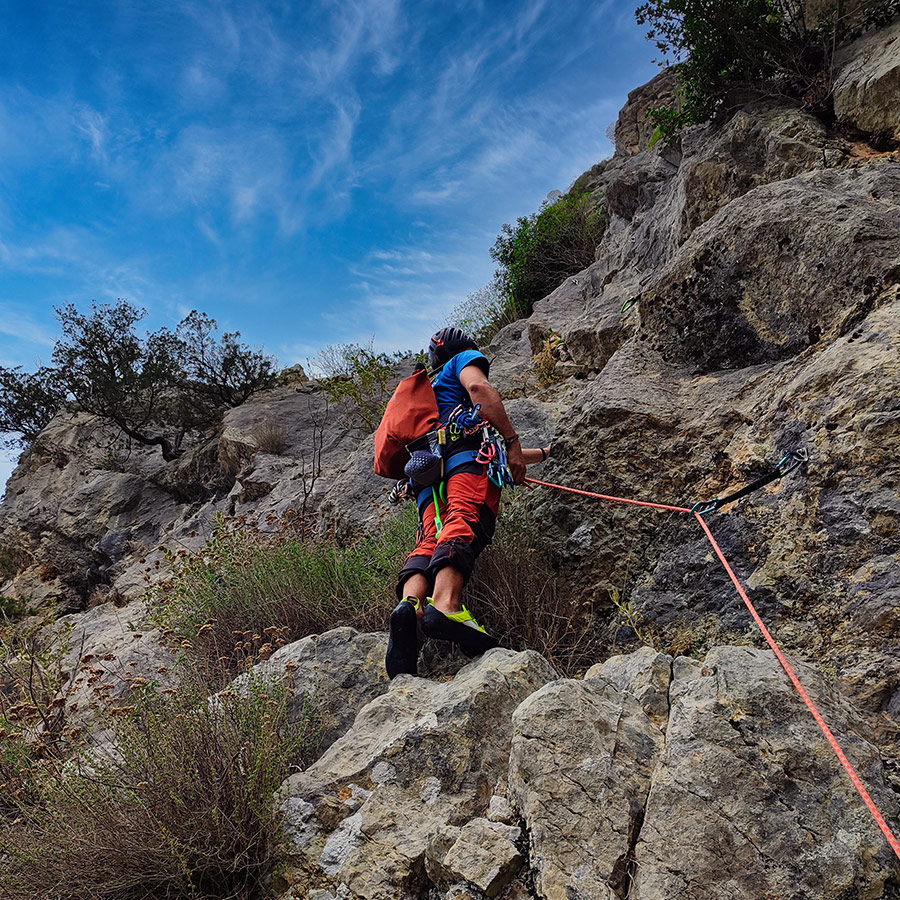
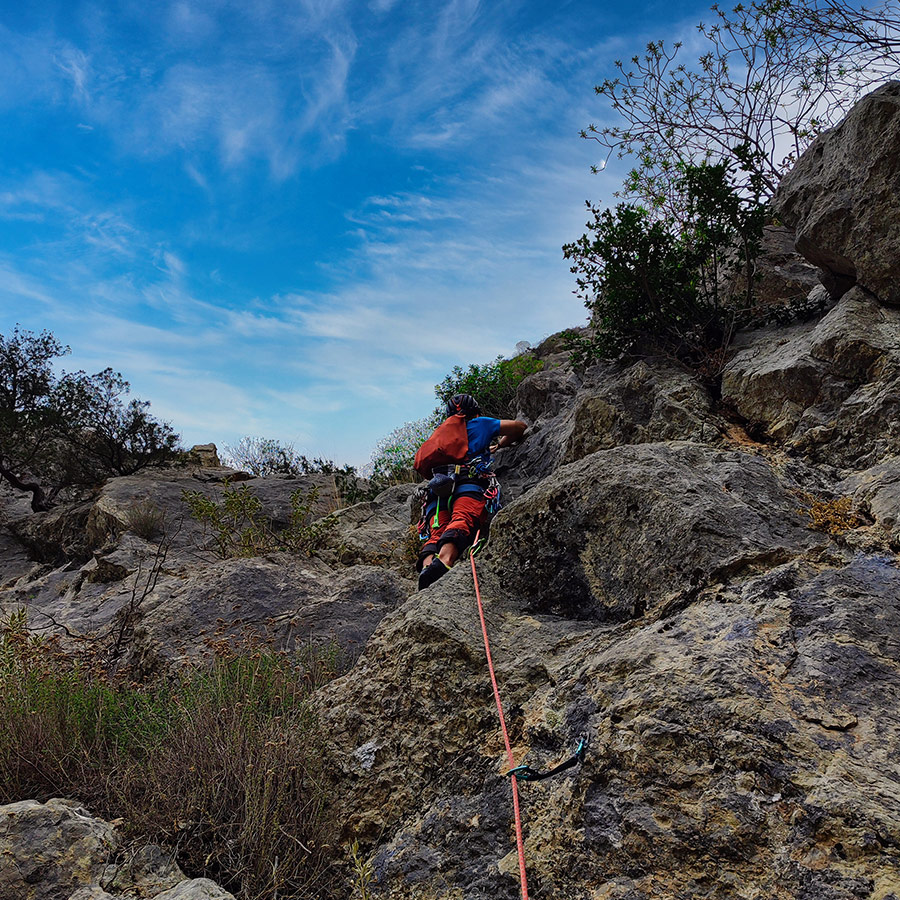
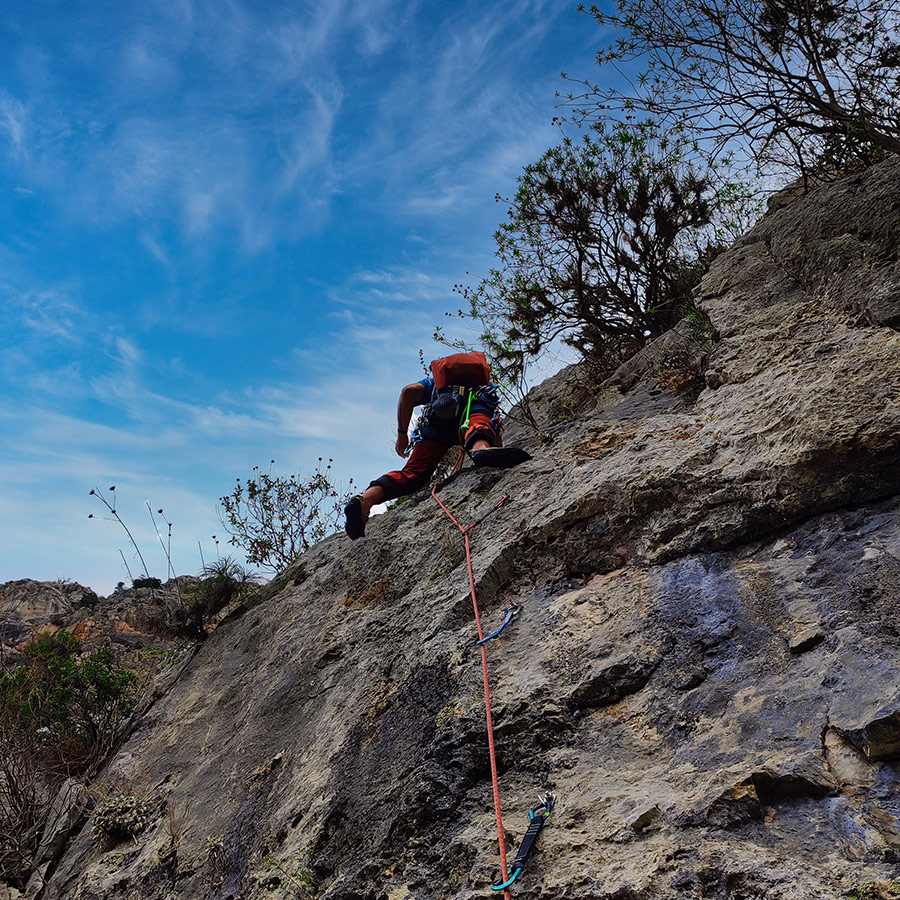
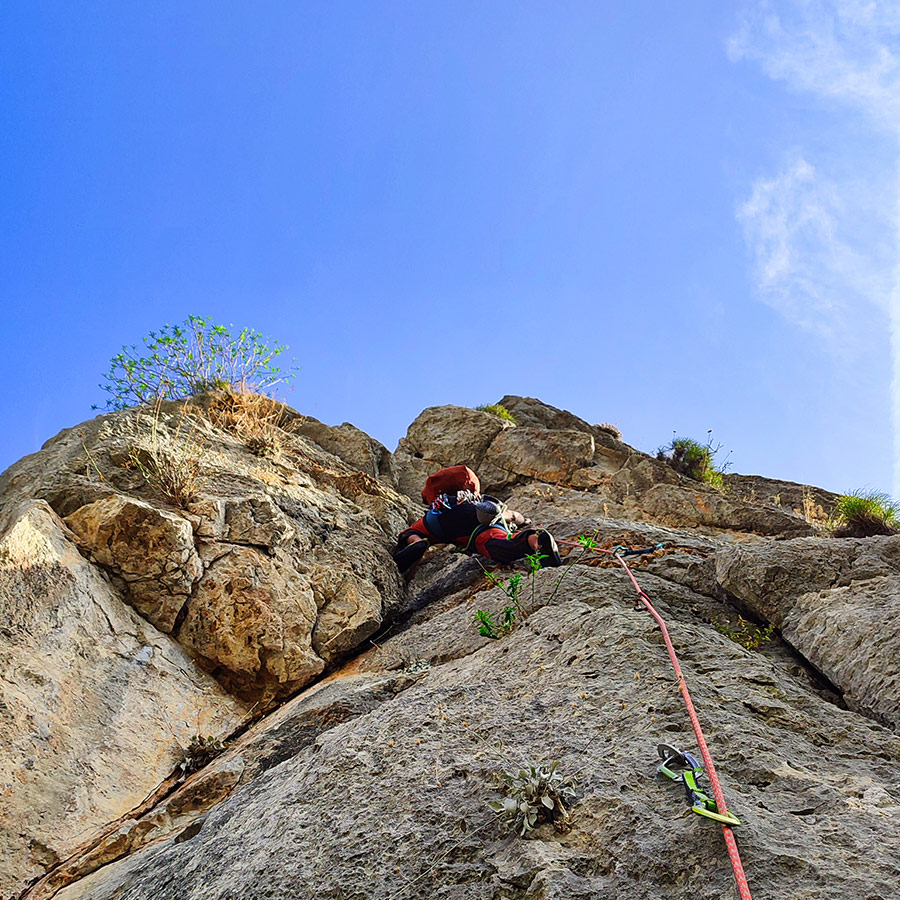
The second pitch of Asterope begins directly above the first belay and immediately picks up in intensity. The line follows a distinct zigzag sequence, offering more dynamic and sustained moves compared to the opening pitch. The climbing here is engaging and slightly more physical, demanding precise footwork and confident clipping through well-placed bolts.
As the terrain eases, the route transitions onto a beautiful slab section characterized by excellent handholds and solid friction. The climbing becomes more fluid and rhythmic, allowing you to enjoy the exposure while keeping a steady pace upward. Despite its mellow appearance, this section still rewards careful balance and attention to foot placement.
After approximately 30 meters and 14 bolts, the pitch ends at a comfortable anchor on the left, marked by two stainless steel bolts. The belay offers a secure stance and a moment to relax before tackling the higher pitches an ideal spot to regroup, hydrate, and appreciate the evolving character of the climb.
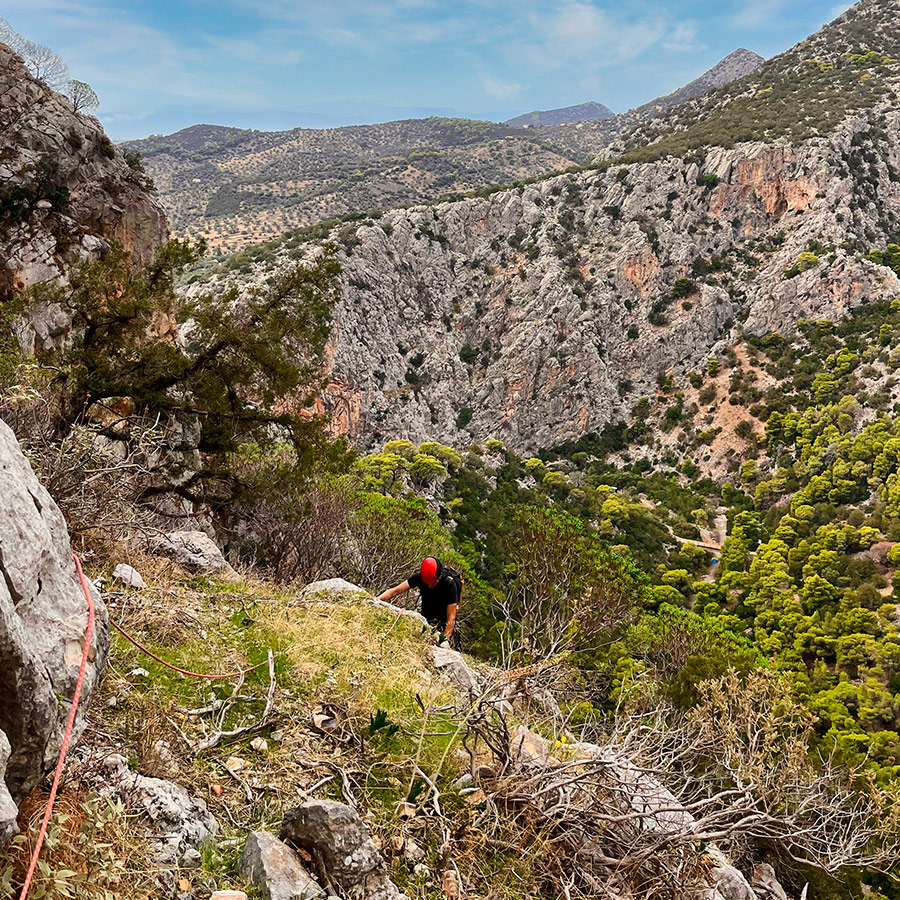
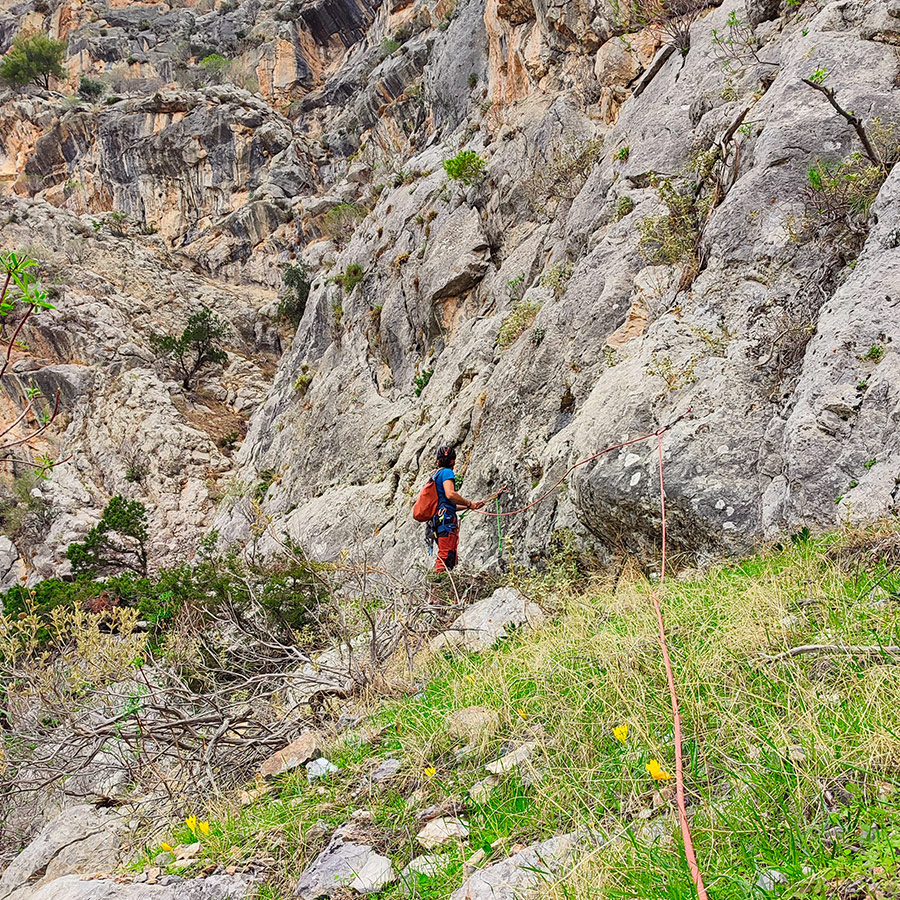
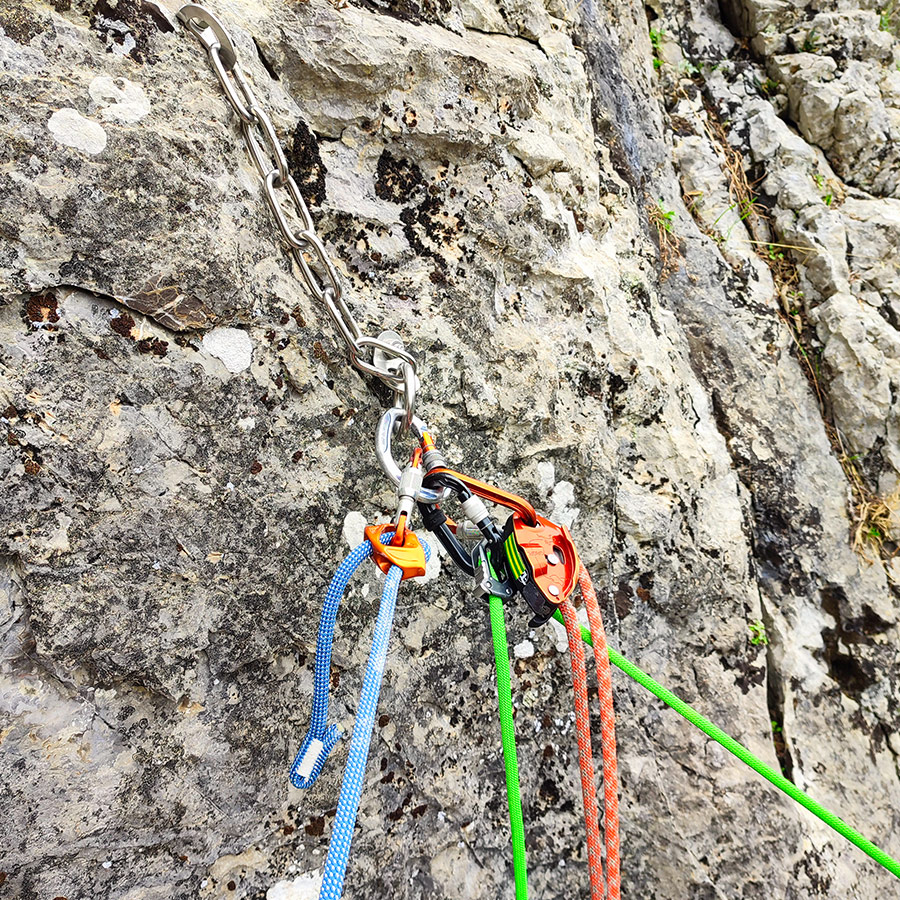
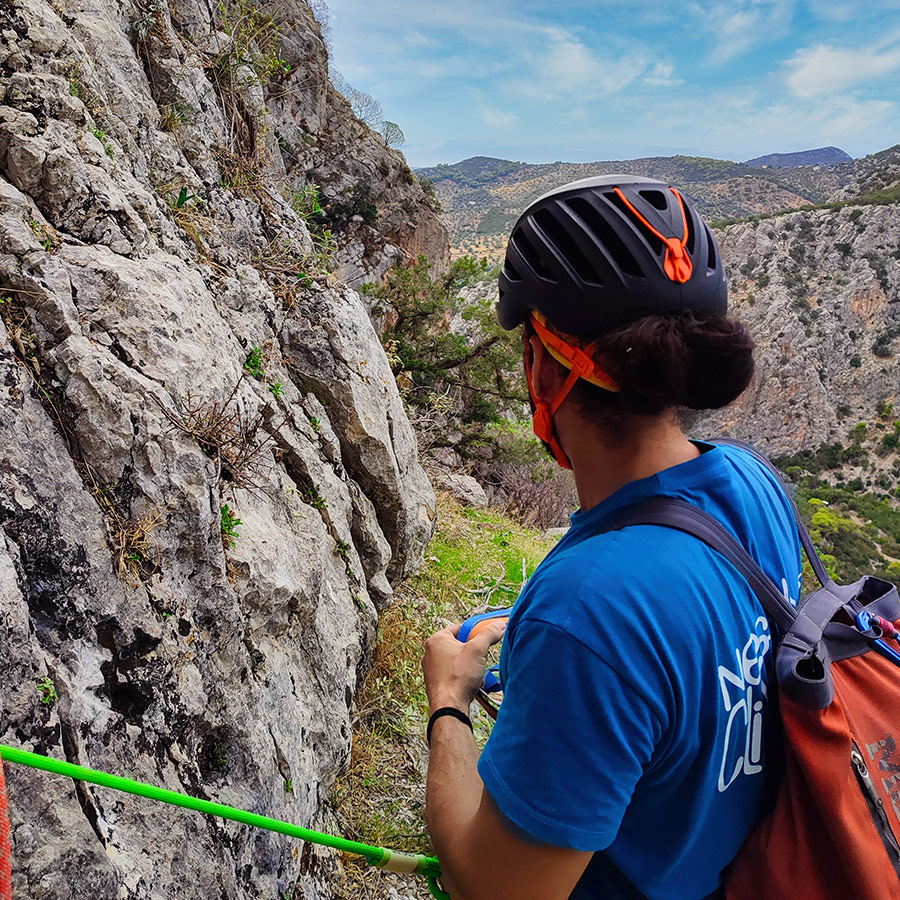
Explore all outdoor activities in a convenient list view here
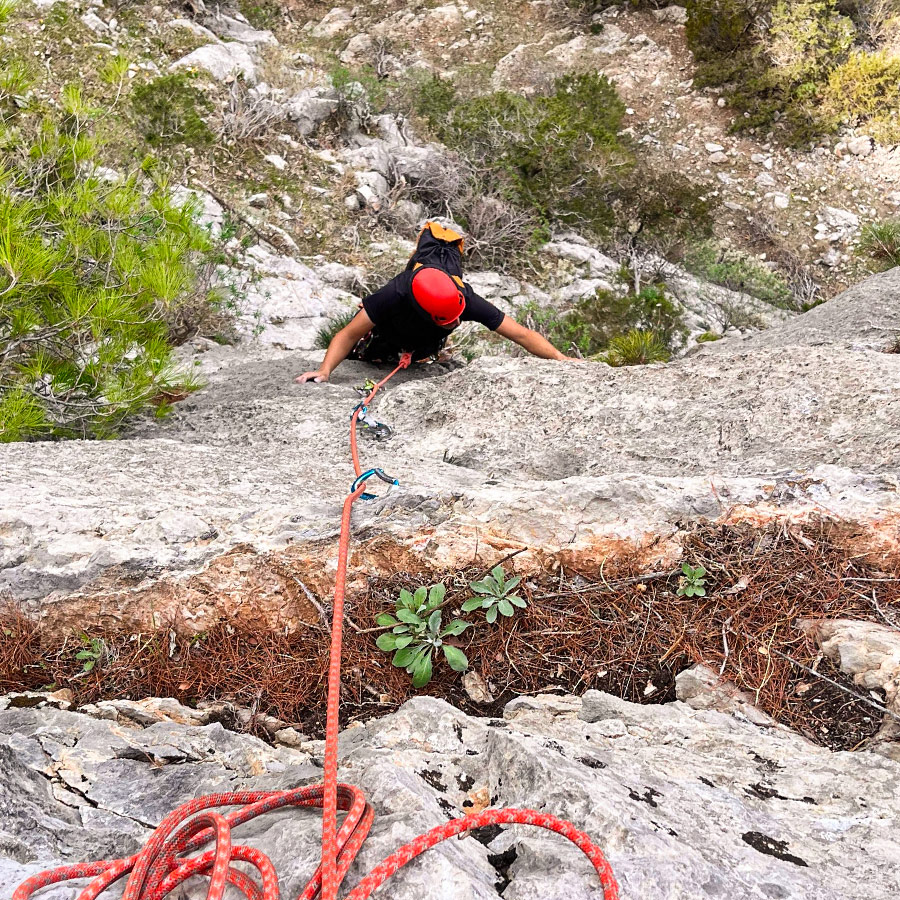
R2 – R3 | 6b, 20 m. | 12 Bolts
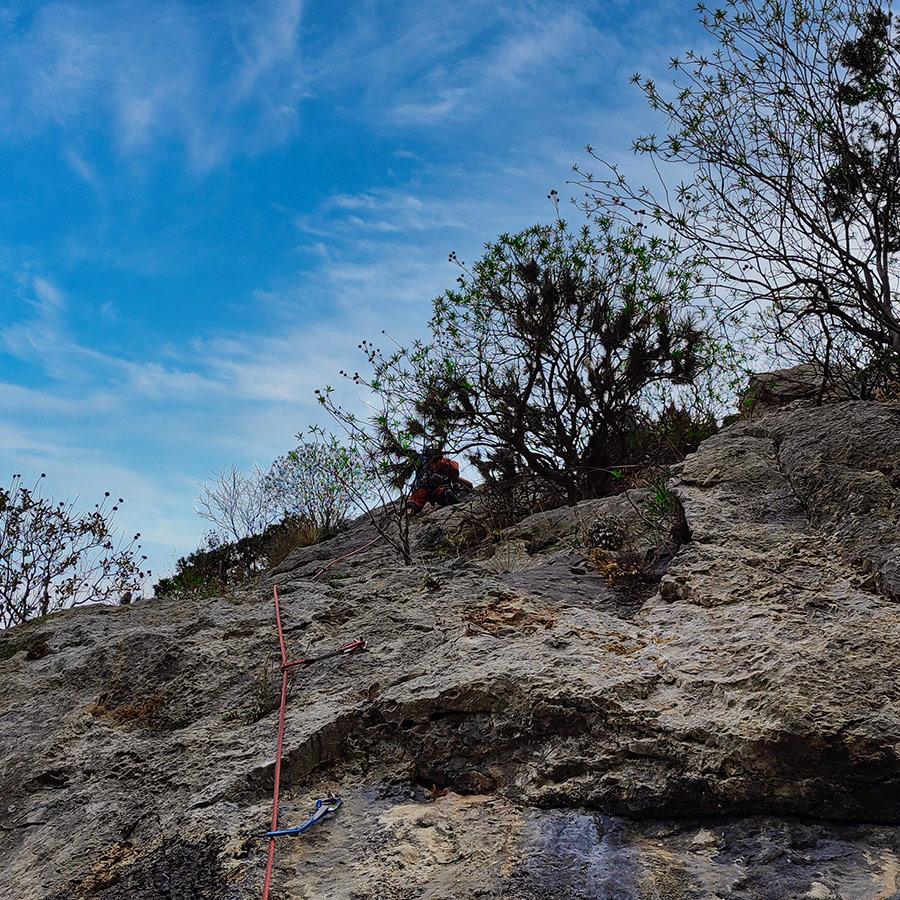
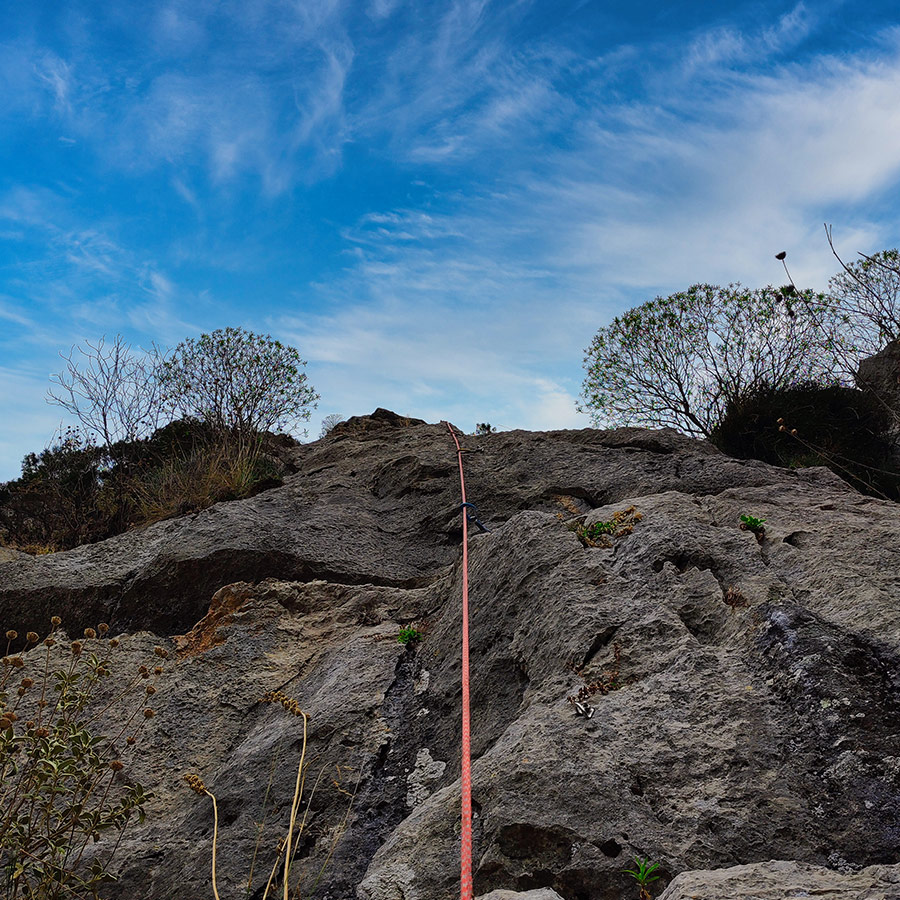
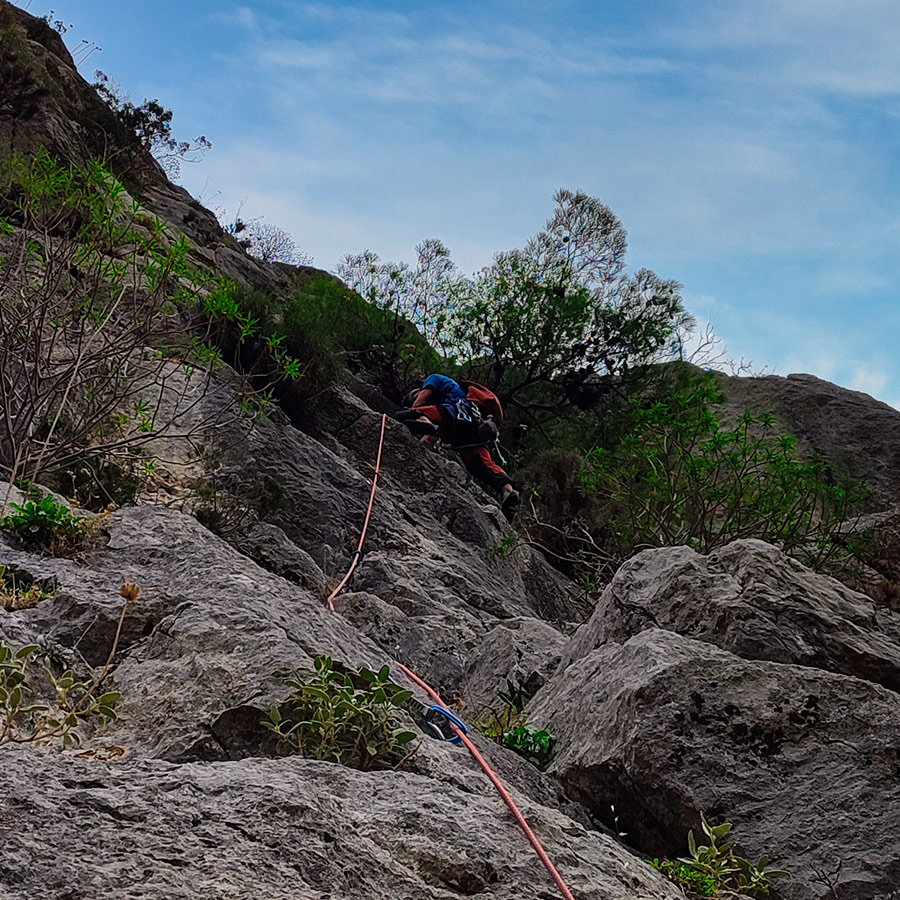
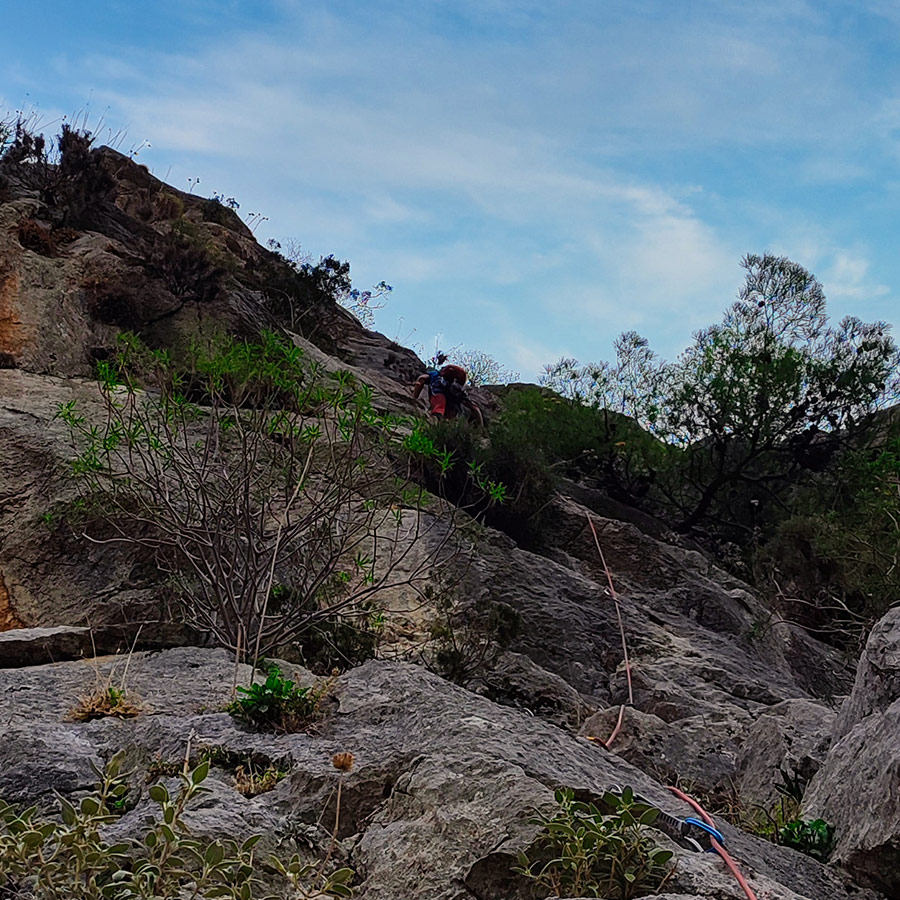
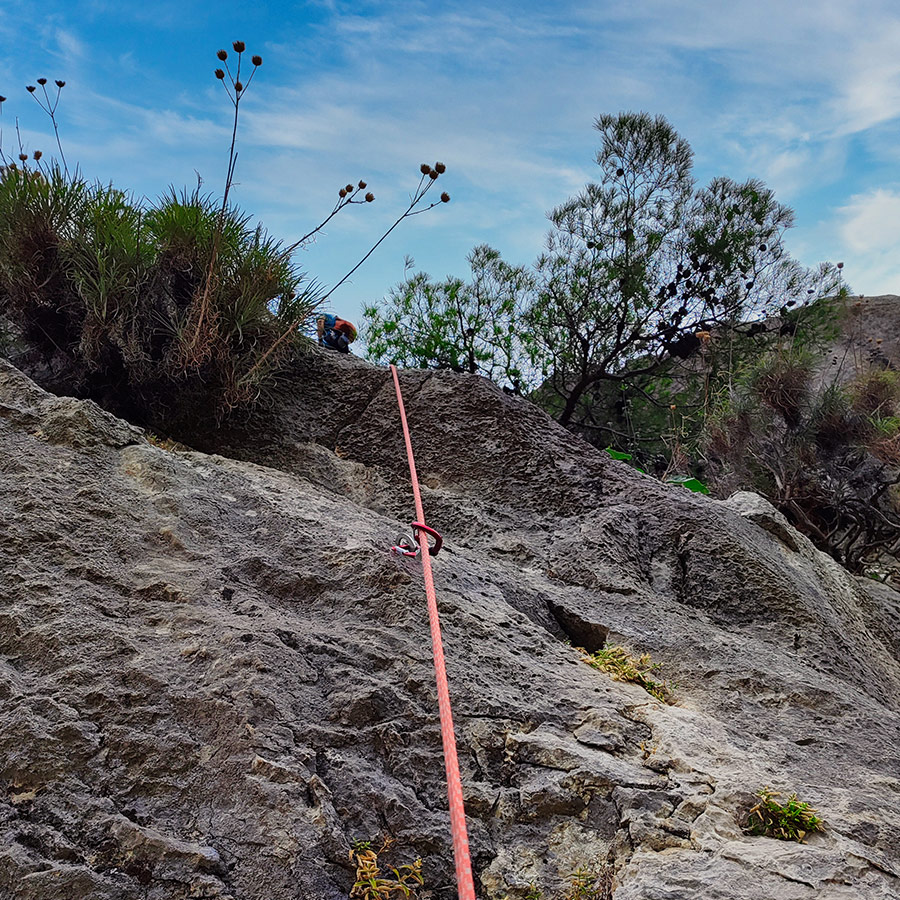
The third pitch of Asterope starts with an easy and enjoyable section, around 5b in difficulty, following clean rock and positive holds. The movement here feels smooth and intuitive, allowing climbers to find their rhythm while enjoying the flow of the line. It’s a pleasant start that builds confidence before the terrain begins to steepen and demand more precision.
As you progress upward, the character of the pitch changes. The rock becomes more compact, and the moves turn technical and delicate, requiring balance, accurate footwork, and thoughtful sequencing. The climbing here is sustained but rewarding, blending subtle slab technique with small edges and shallow footholds.
The final meters deliver the crux (of this pitch) sequence (6b), where the last three bolts are notably challenging and reachy. Good clipping positions are limited, so composure and efficient movement are key. After roughly 20 meters and 12 bolts, the pitch finishes at the next belay station (R3).
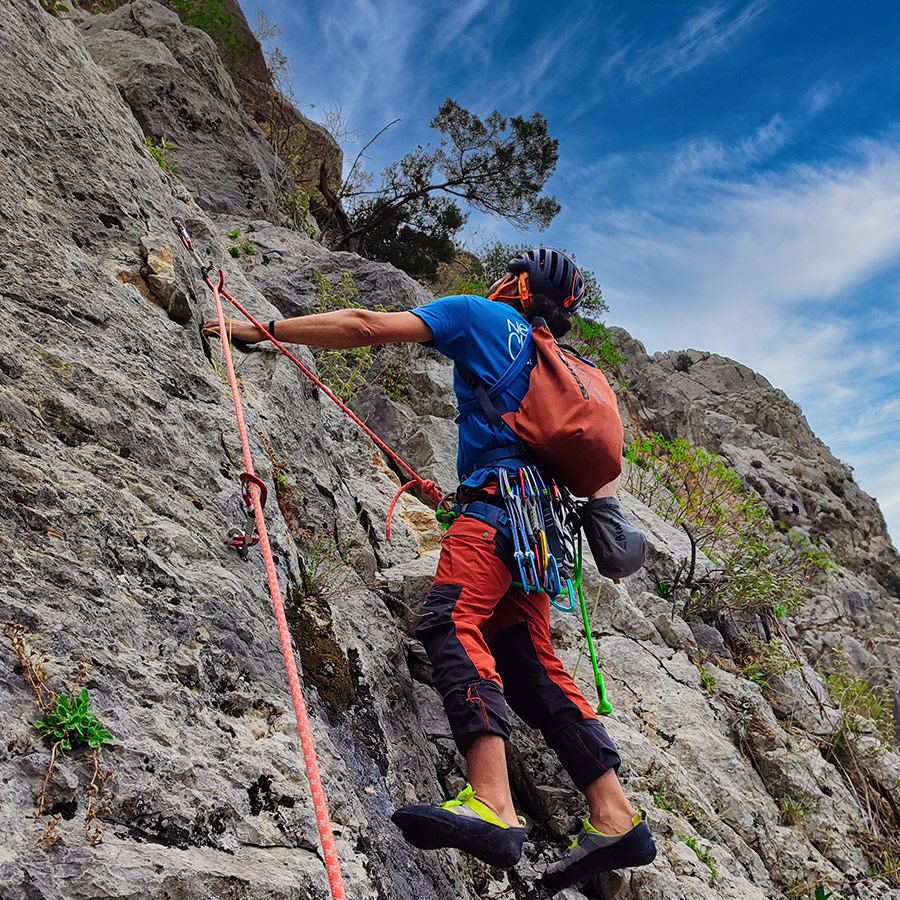
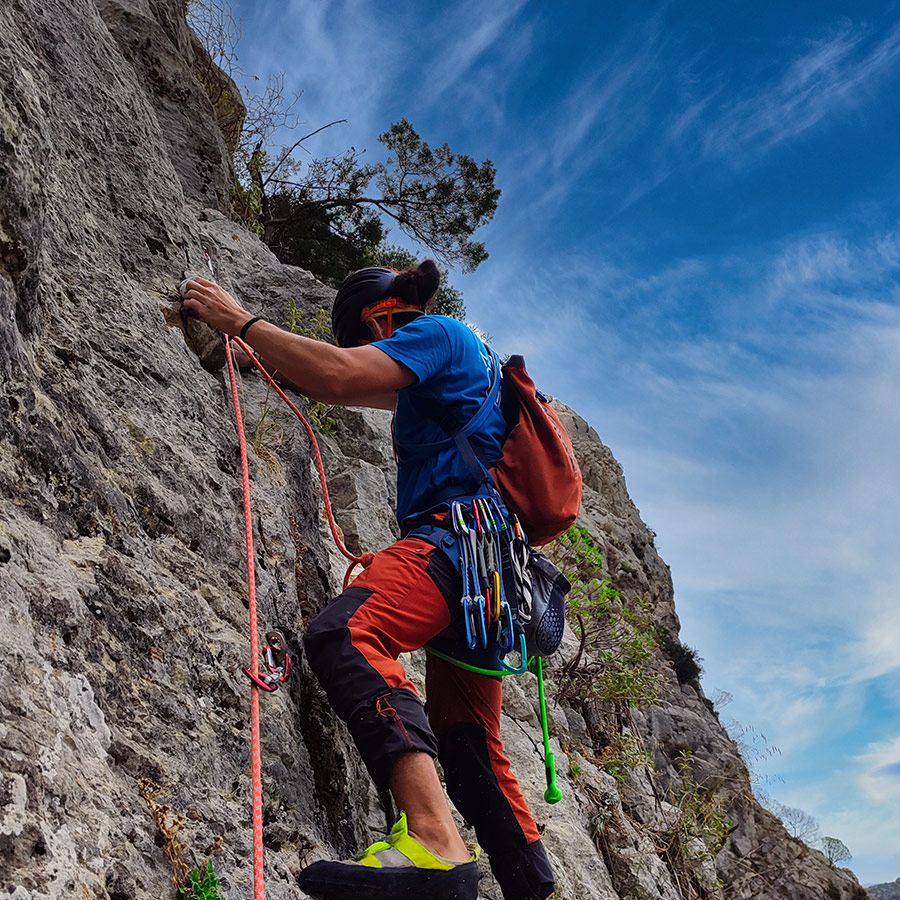
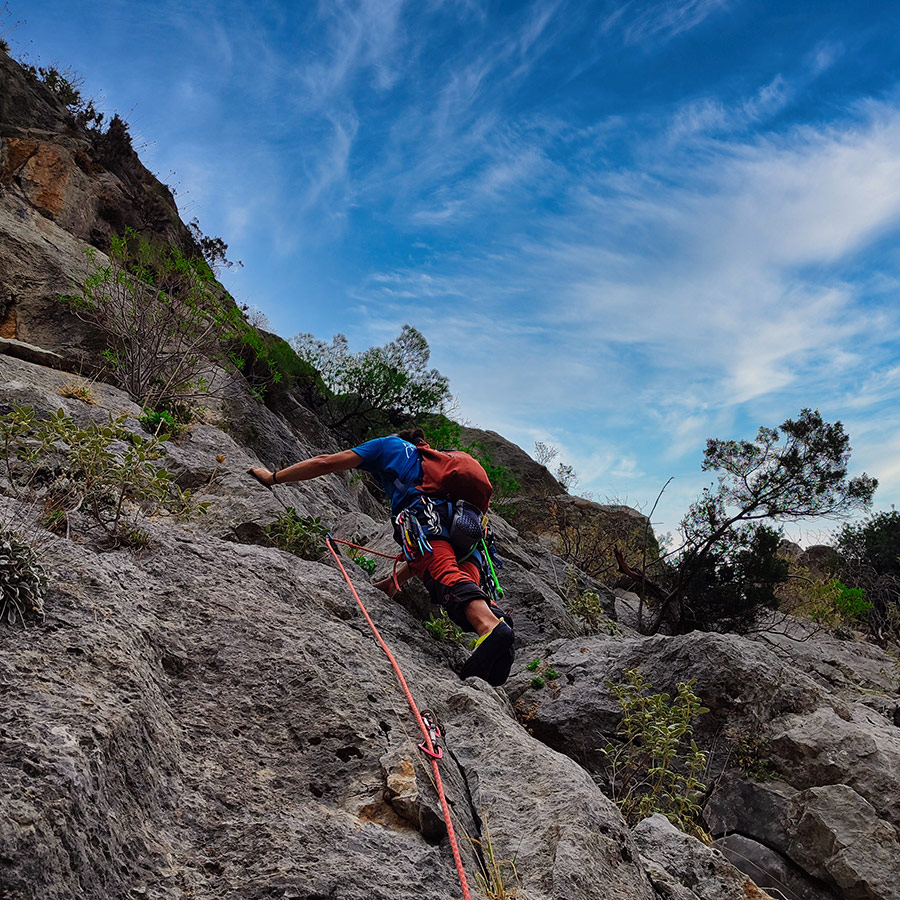
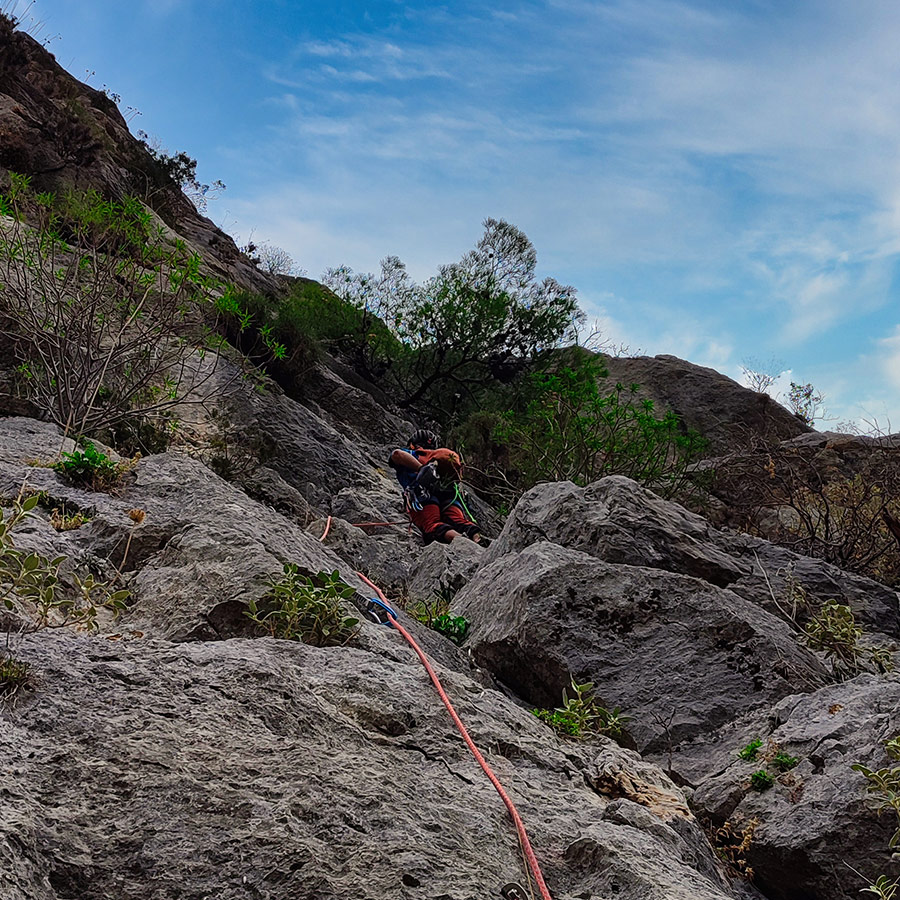
R3 – R4 | 6b+, 35 m. | 17 Bolts
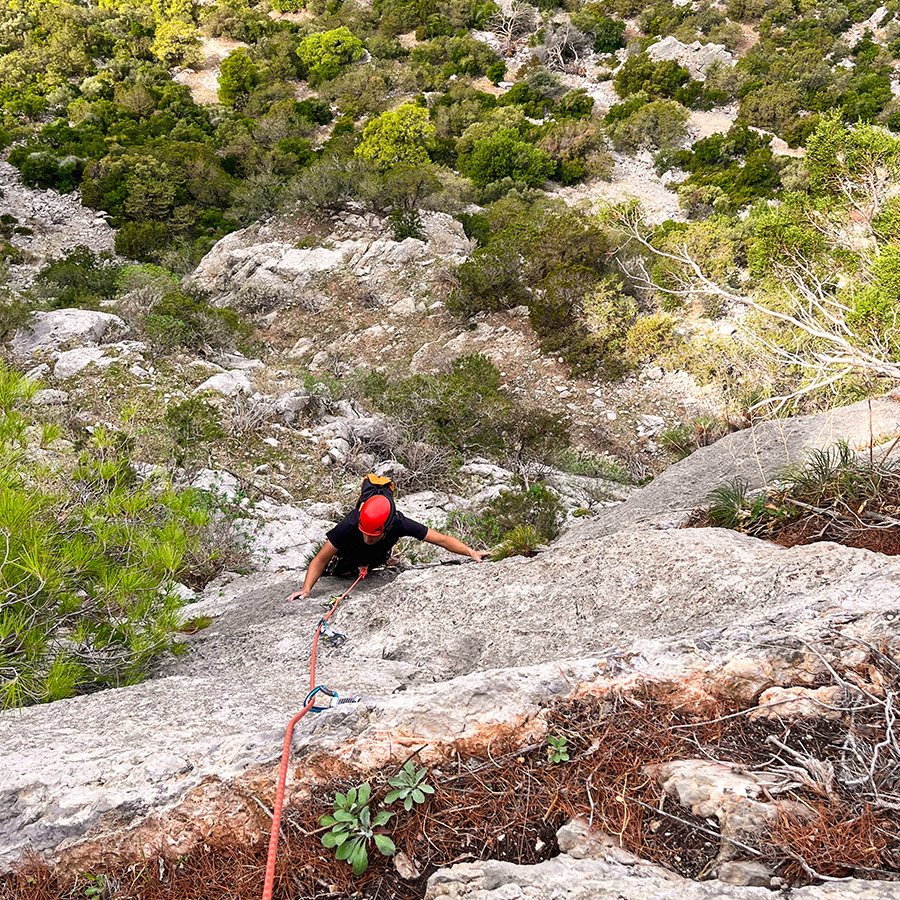
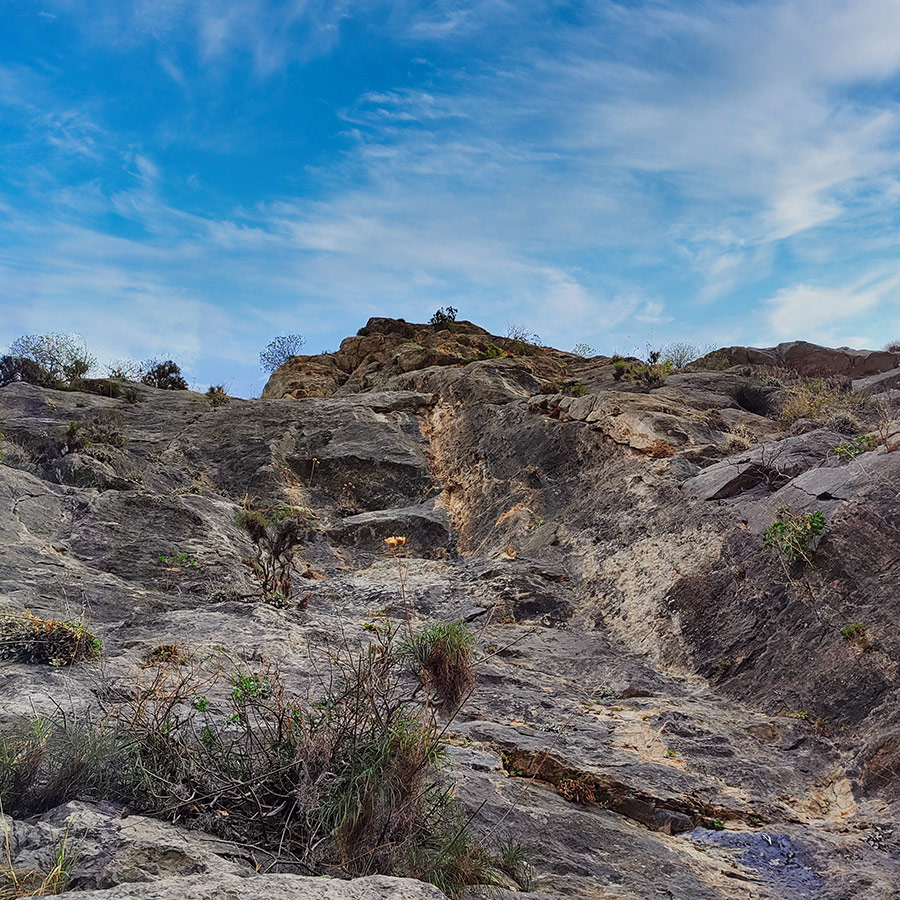
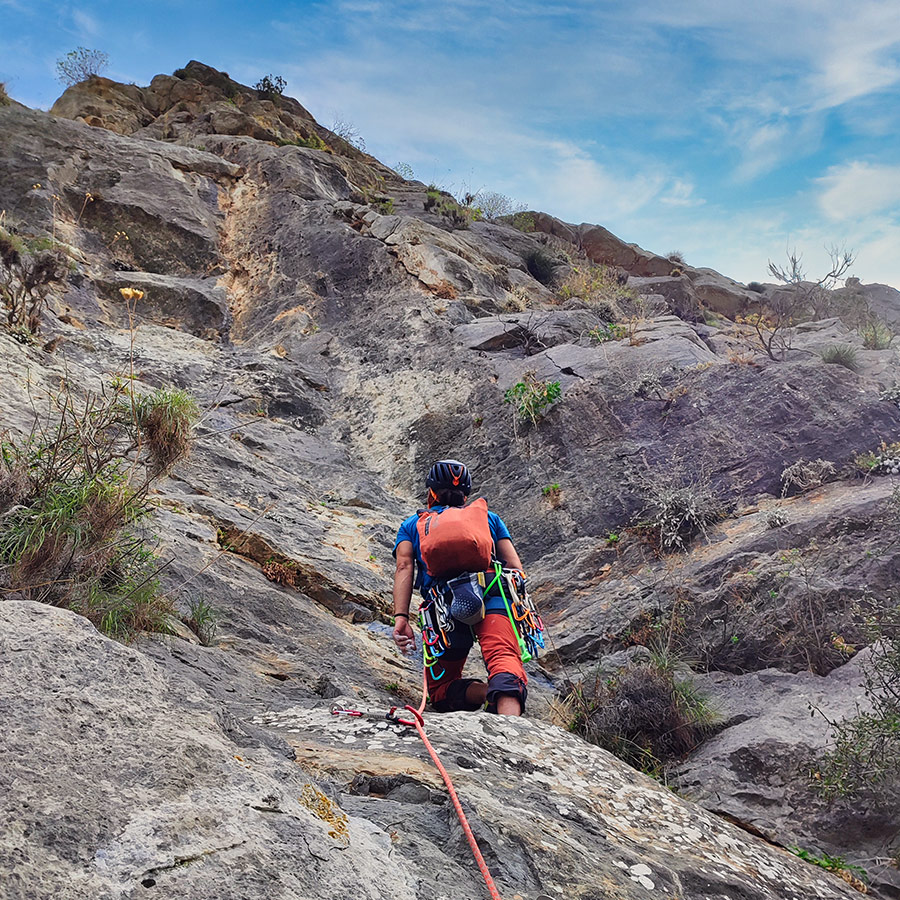
The fourth pitch of Asterope stands out as the most impressive and demanding section of the entire route. It begins with a short, easier stretch of around 5c, offering a few relaxed moves before the pitch commits into the heart of the steep dihedral. The transition is striking and the wall turns slightly overhanging, and the exposure increases dramatically.
Once inside the dihedral, the climbing becomes powerful and sustained, requiring precise body positioning and efficient use of opposition techniques. The rock quality remains excellent, and the section is well-bolted, with bolts placed exactly where it’s needed. Still, this section tests both endurance and focus, as the holds thin out and sequences demand careful planning.
The crux of the entire Asterope route unfolds here, a 10–12 meter stretch of steep, technical climbing that will push you to your maximum strength. It’s a sequence that rewards persistence and composure, leading eventually to a satisfying exit onto easier terrain. The pitch finishes at a solid belay station (R4), offering a well-earned rest and stunning views of the gorge below.
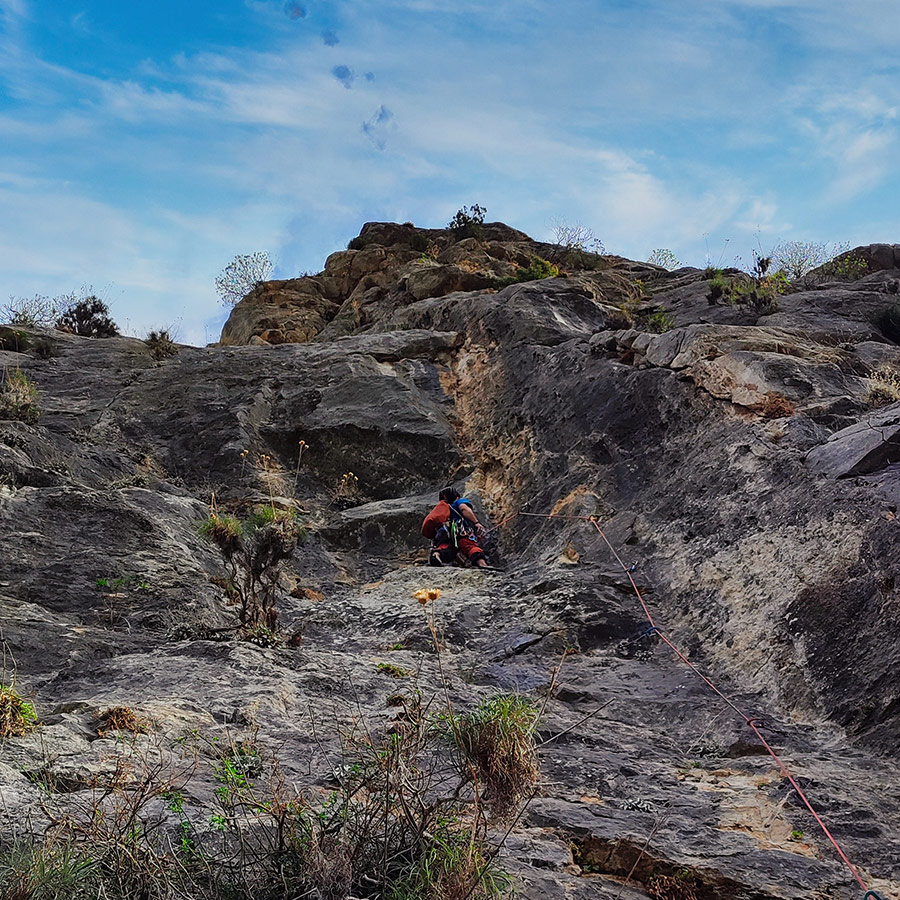
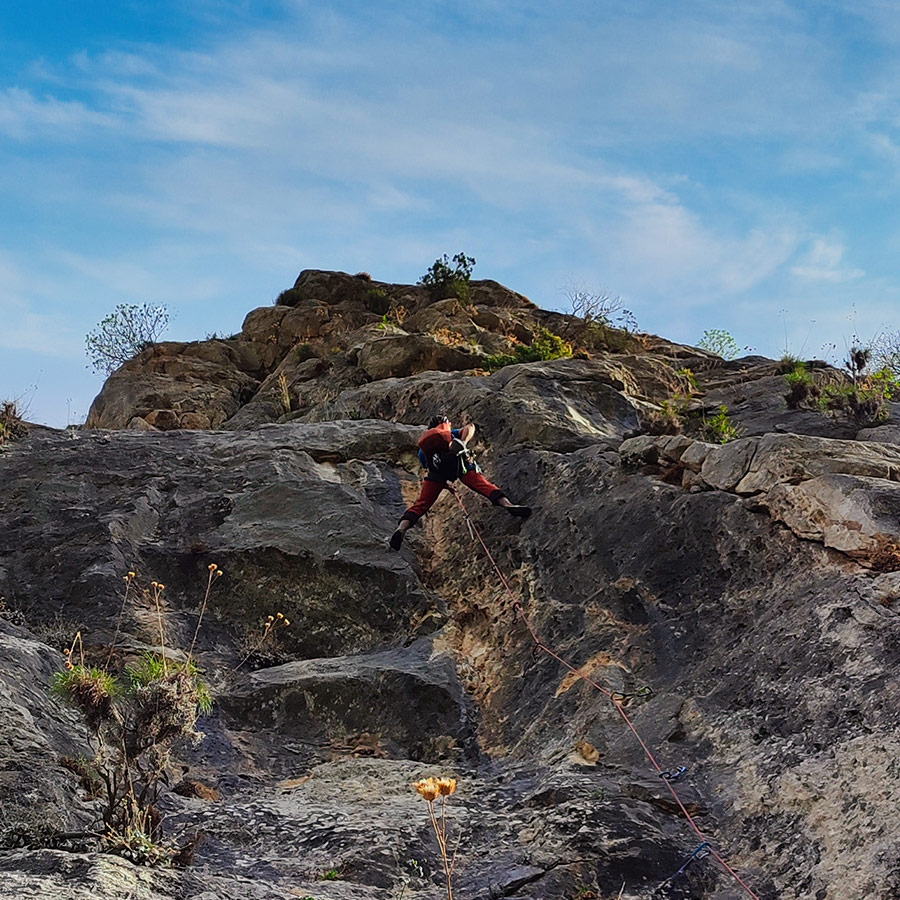
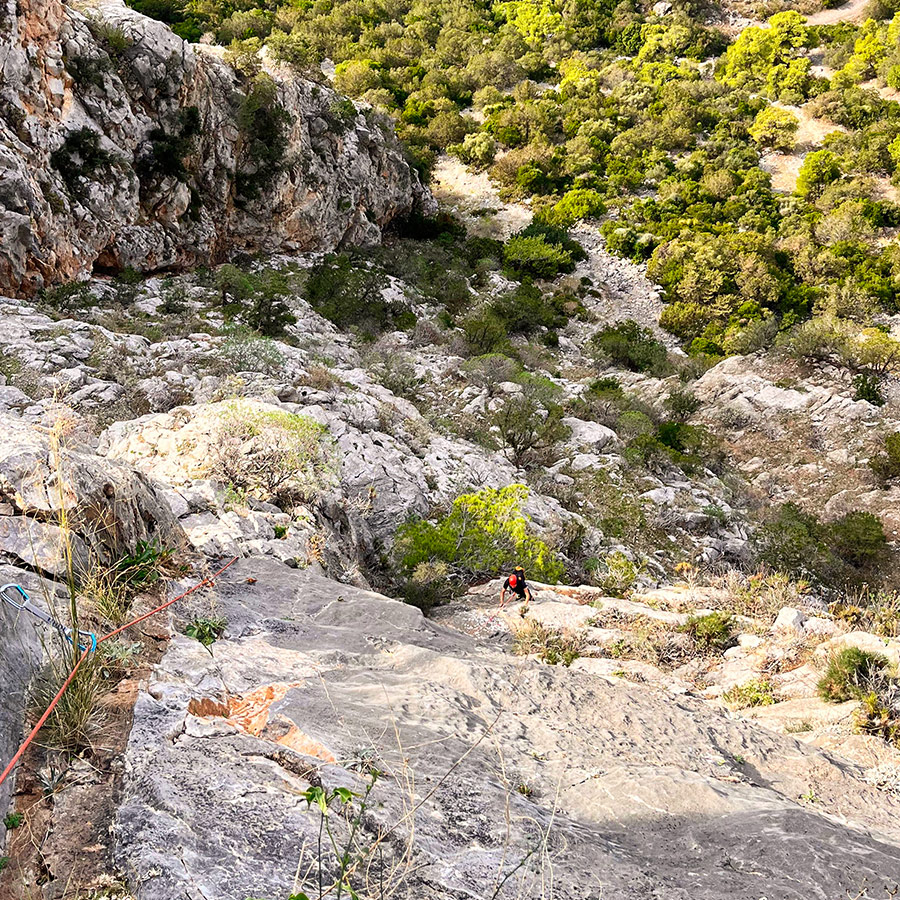
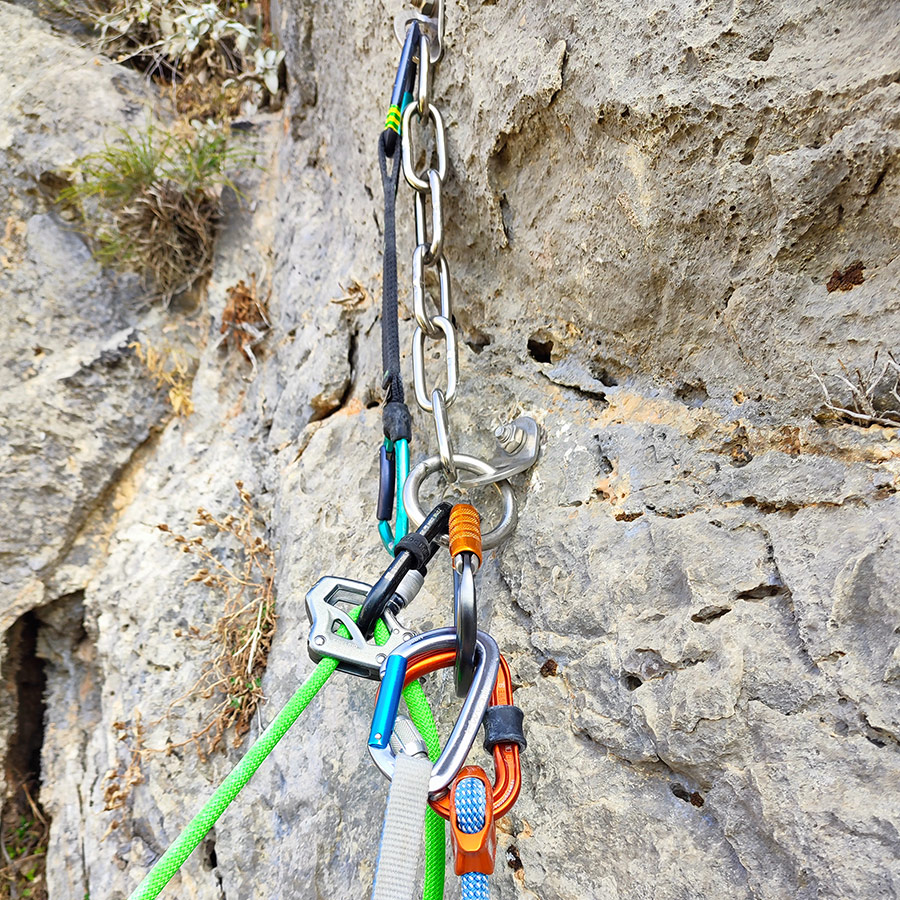
R4 – R5 | 5c, 20 m. | 10 Bolts
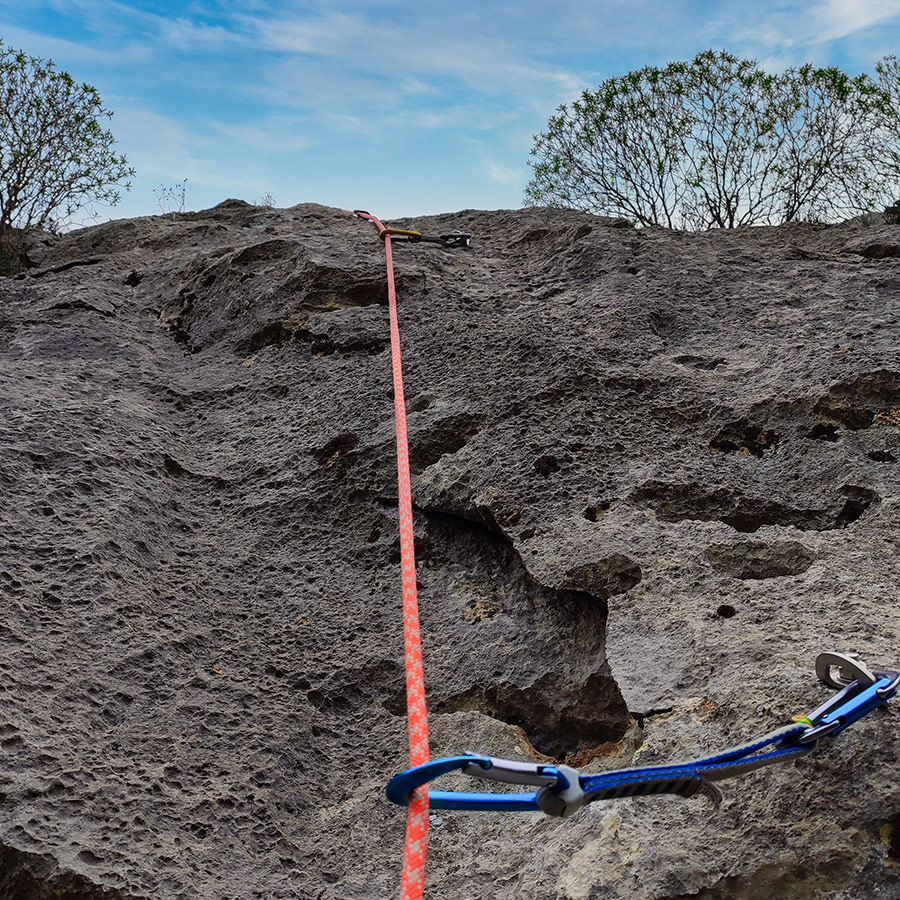
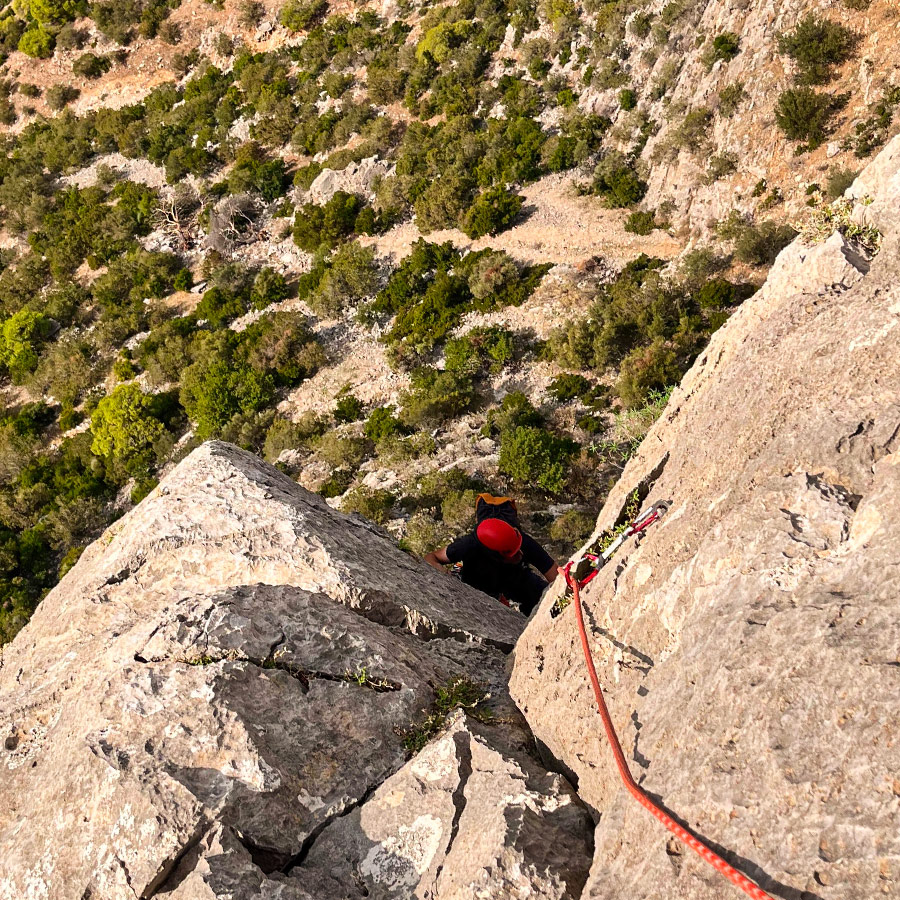
The fifth and final pitch of Asterope offers a beautiful and varied finish to the route. From the R4 belay, the route continues over spiky, featured limestone, blending small cracks and shallow dihedrals that make for enjoyable, three-dimensional movement. The climbing remains within the 5c range, providing steady and fluid progress after the intensity of the previous pitch.
The rock here offers numerous options for hands and feet, allowing climbers to move naturally while enjoying the exposure of the upper wall. Though the pitch is well-bolted, it rewards efficient rope management and mindful clipping, especially in sections where the line wanders slightly between features.
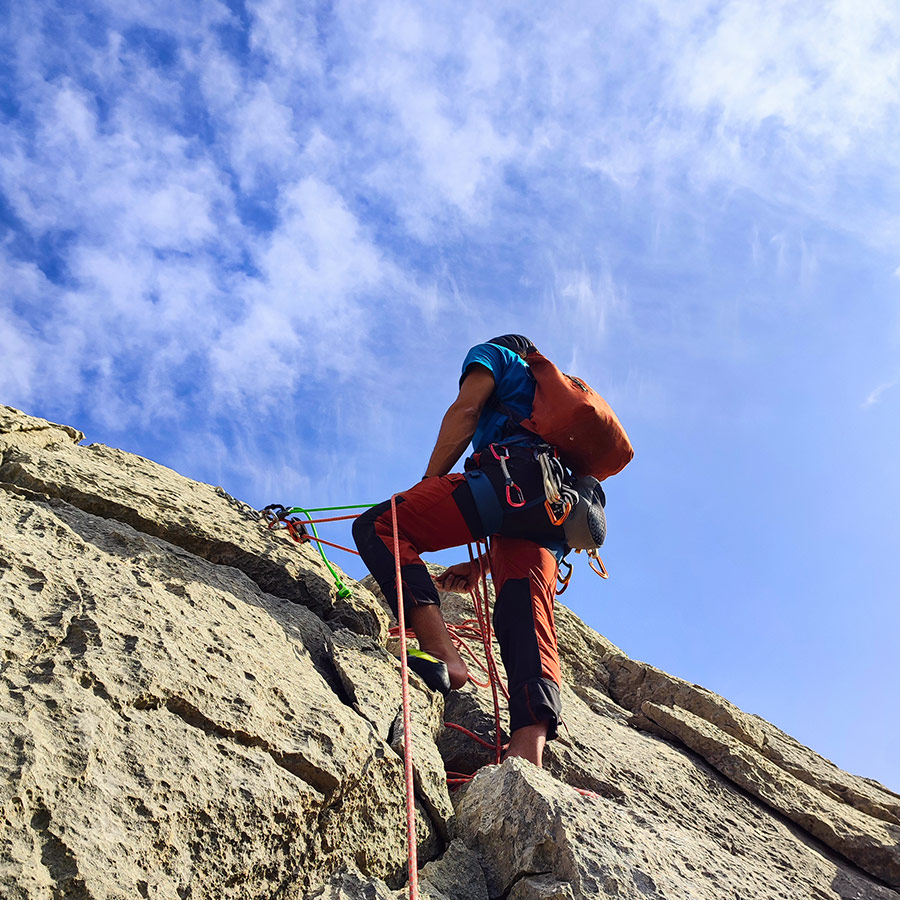
It’s recommended to carry three 60 cm slings with carabiners to extend draws on the 3rd, 5th, and 9th bolts, reducing rope drag and maintaining smooth movement. After roughly 20 meters and 10 bolts, the route reaches the final belay station (R5). A satisfying conclusion to Asterope, with panoramic views across the Katafyki Gorge and the sense of accomplishment that comes from completing one of its most elegant multi-pitch climbs.
Support the journey — buy me a coffee
I share these articles and the climbing guidebooks because I love the outdoors, and they’ll always be free. If they’ve helped you, help me keep them coming. Click the button to support my work.
View from the Top
After we finished the climb, we took some time to celebrate our accomplishments. I felt a sense of camaraderie and connection with my climbing buddies.
Looking back on the day, I feel grateful for the experience. Trad climbing was an adventure that tested my physical and mental strength, and it gave me a newfound sense of confidence in myself.
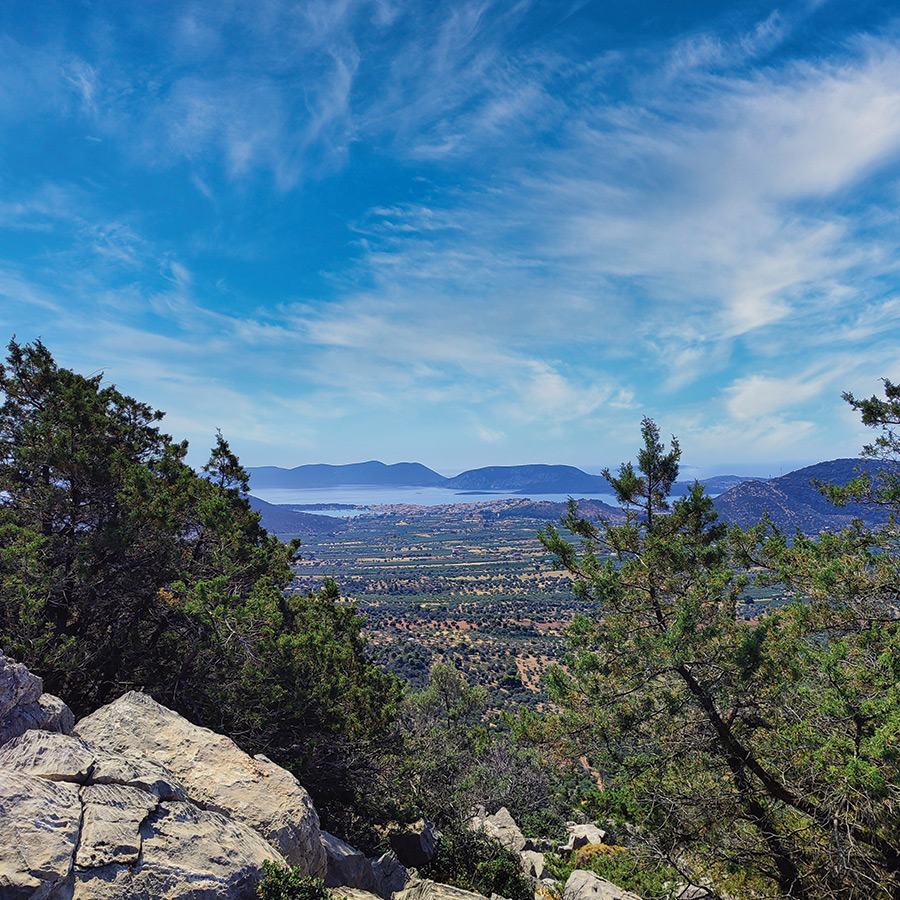
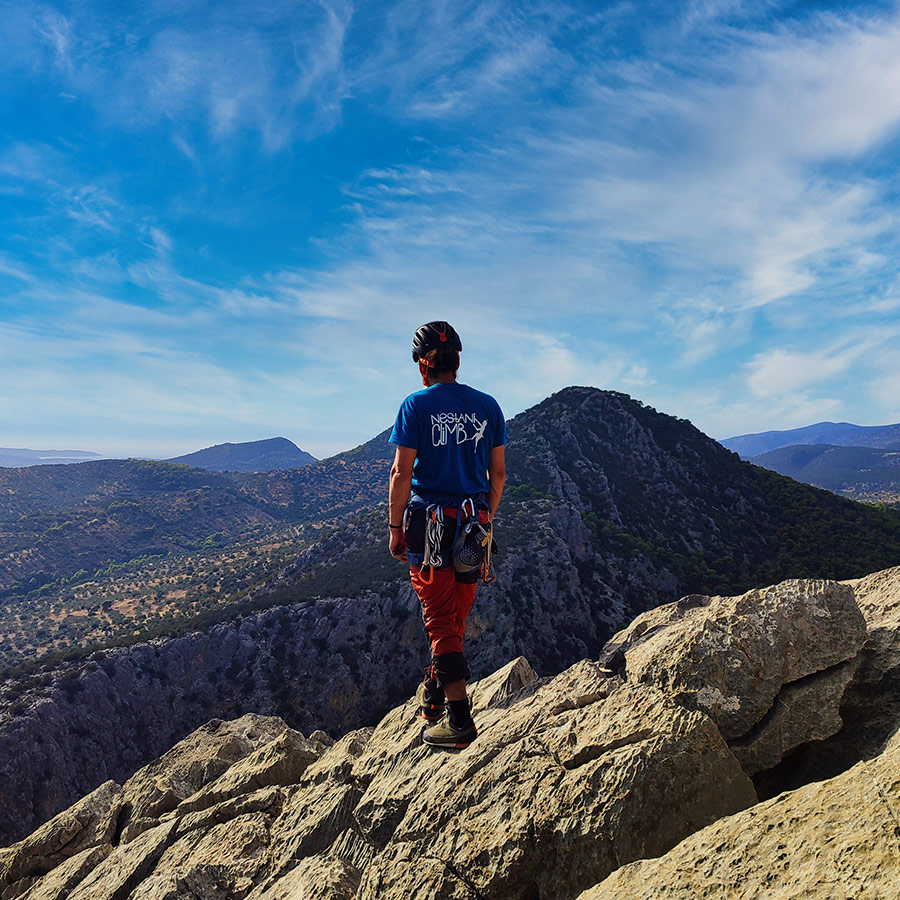
Great view towards Ermioni, the Gulf oh Hydra and from the other side towards Katafyki Ravine.
Check out more FREE Guidebooks
Download now for free! Explore breathtaking landscapes and conquer thrilling heights with our collection of guidebooks and topos.
Don’t miss out on this opportunity to elevate your outdoor adventures. Click, download, and let the exploration begin!
Return from the route
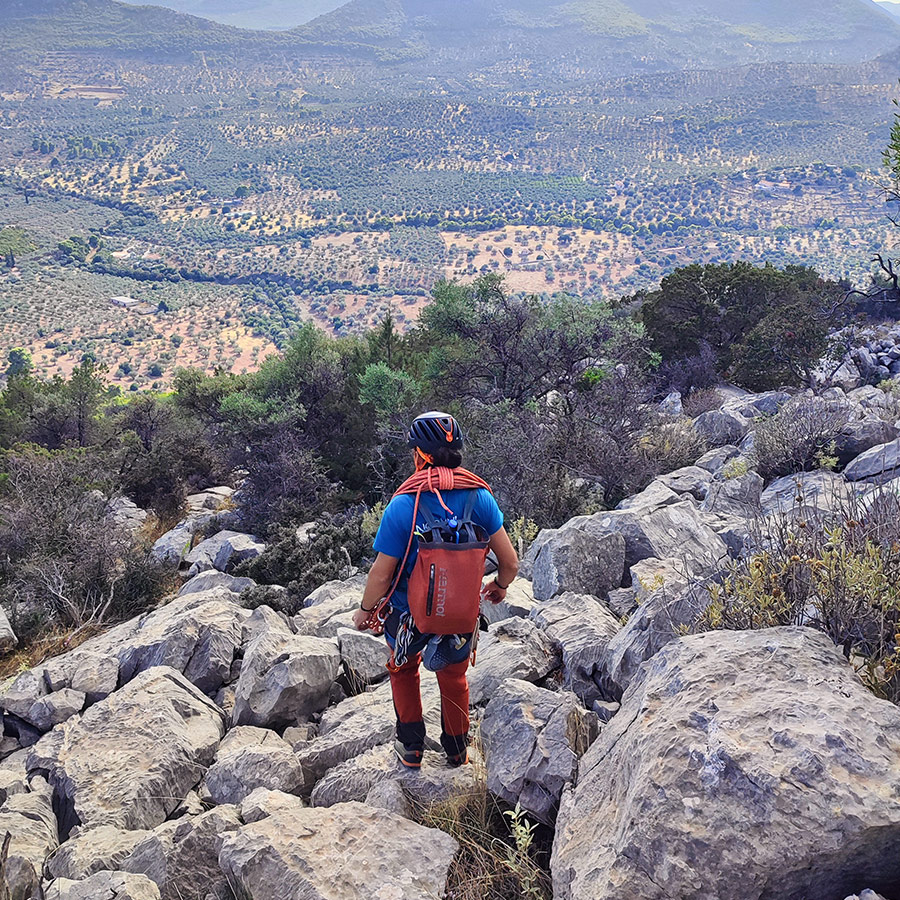
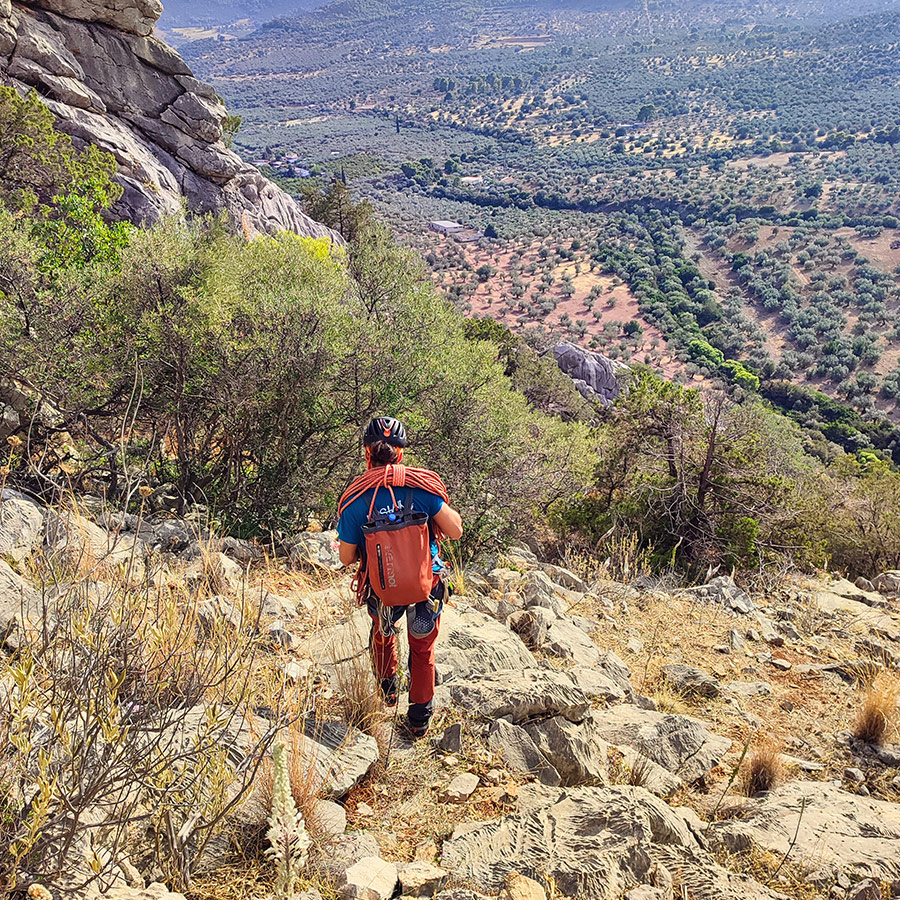
In order to return, you have to follow direction south east to the obvious tarmac road that is leading to Katafyki Crag. There is not obvious trail for the return, but if you start descending towards the east and later on you get direction to the south you won’t have any difficulty to reach again the parking spot.
For the return you will need about 25-30 minutes of hike.
ATTENTION: On this route is not recommended to return via abseiling.
Details of the Climb
- Location: Pleiades Crag, Katafyki Ravine – Ermioni
- Difficulty: 6b+
- Length: 130 meters
- Pitches: 5
- When to Climb: All year round
- Water Features: None
Subscribe & Stay Informed
Enter your email address to follow this blog and receive notifications of new posts by email
Recommended Gear
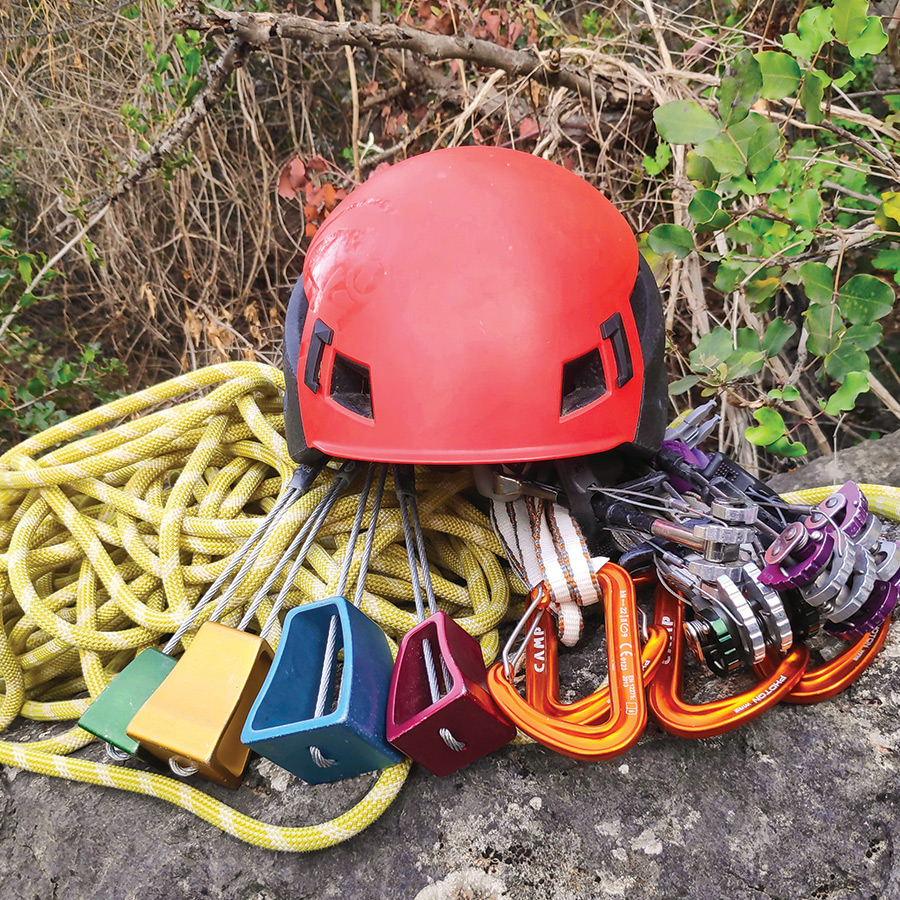
For this multi-pitch climb, I used the following gear:
- Mammut Wall Rider Helmet
- Simond Backpack
- 5 lanyards 60 cm
- 1 lanyard 120 cm
- 4 locking carabiners
- 1 HMS carabiner
- Petzl Hirundos Harness
- La Sportiva Katana
- BD HotWire Quickdraws
- Alpine Quickdraws
- Cordelette for prusik
- 1 x 60 m. rope
- 4 carabiners
- Reverso
- 0.5 lt of Water
- 1 energy bar
- Friends / Camalots
- Rock Nuts
Before you leave this blog check out the following map
Below: This map marks all the mountaineering adventures that have been featured on Olympus Mountaineering so far, including several Sport climbing crags – Select full screen to expand, zoom in for more detail, or click on a marker for a link to the post.
 Olympus Mountaineering
Pingback: Climbing in Pleiades Crag – Katafyki Ravine – Ermioni – 2025 Edition – Olympus Mountaineering