In Greece, curled up within the majestic mountains, lies a treasure trove of insights waiting to be discovered. From the art of winter mountaineering to the thrill of trekking, from the peacefulness of hiking to the challenges of rock and alpine climbing, there is a world of adventure waiting to be explored.
My humble endeavor is to provide you with a glimpse into this world, to guide you through the rugged terrain and share my experiences with you.
If you wish to join me on this quest, I welcome you with open arms. Simply send a message using the form below, and let us embark on this journey together.
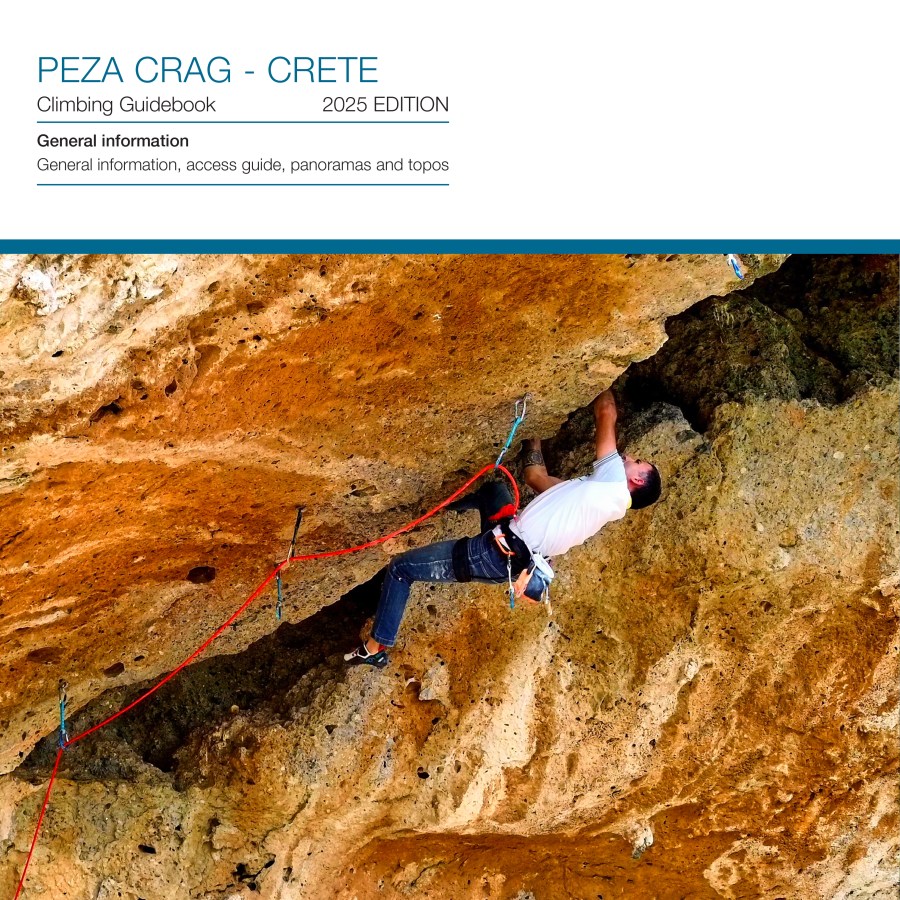
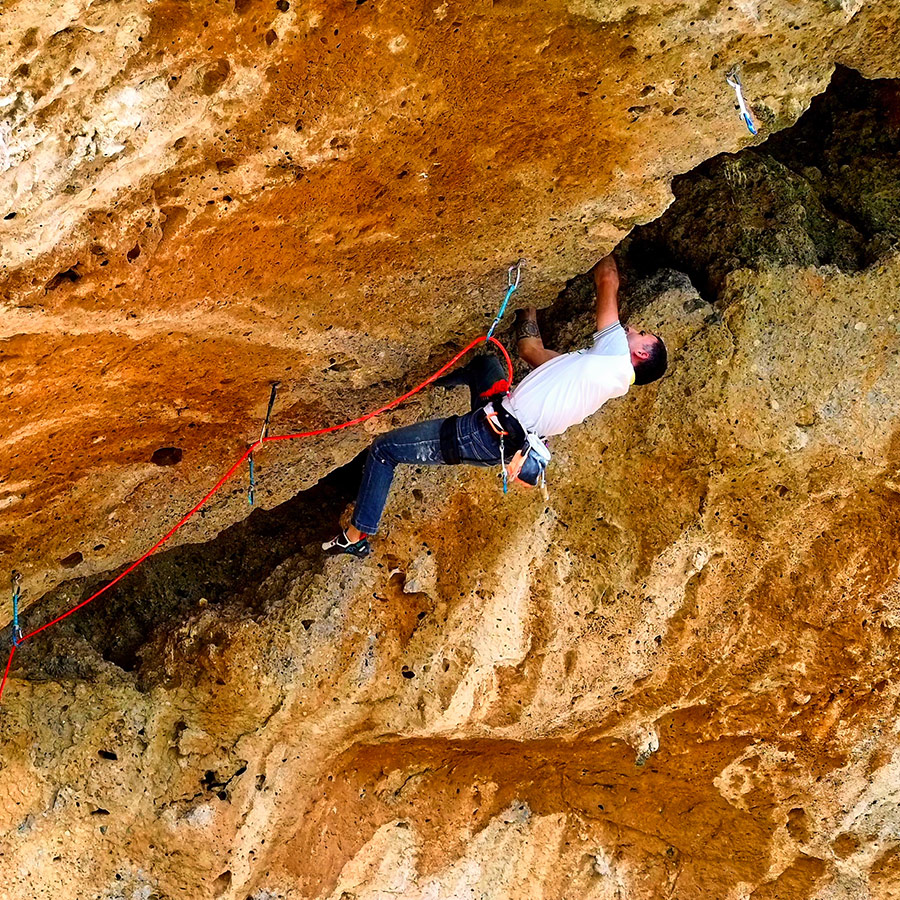
Welcome to the breathtaking village of Kalo Chorio and specifically, Peza Crag, Located neabry Agios Nicolaos in Crete, Greece. Peza has emerged as a climber’s haven, boasting a variety of routes that cater to beginners and experienced climbers alike. In this blog post, we will delve into the history, development, and exhilarating climbing experiences offered by this stunning climbing destination.
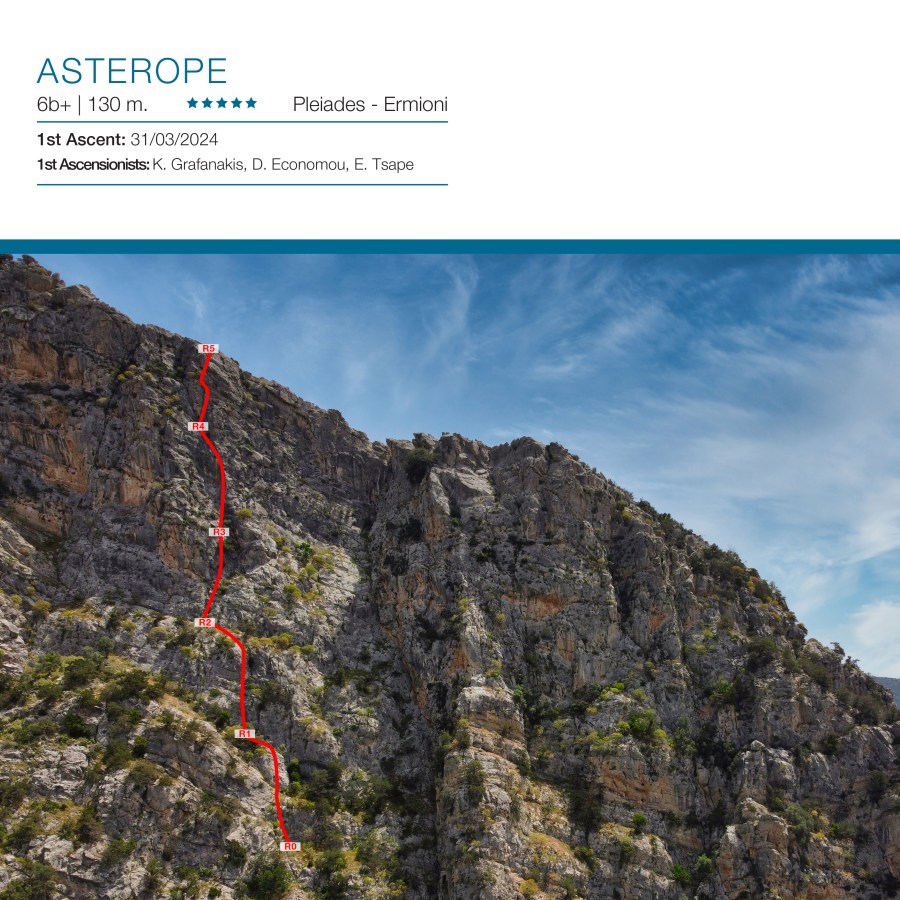
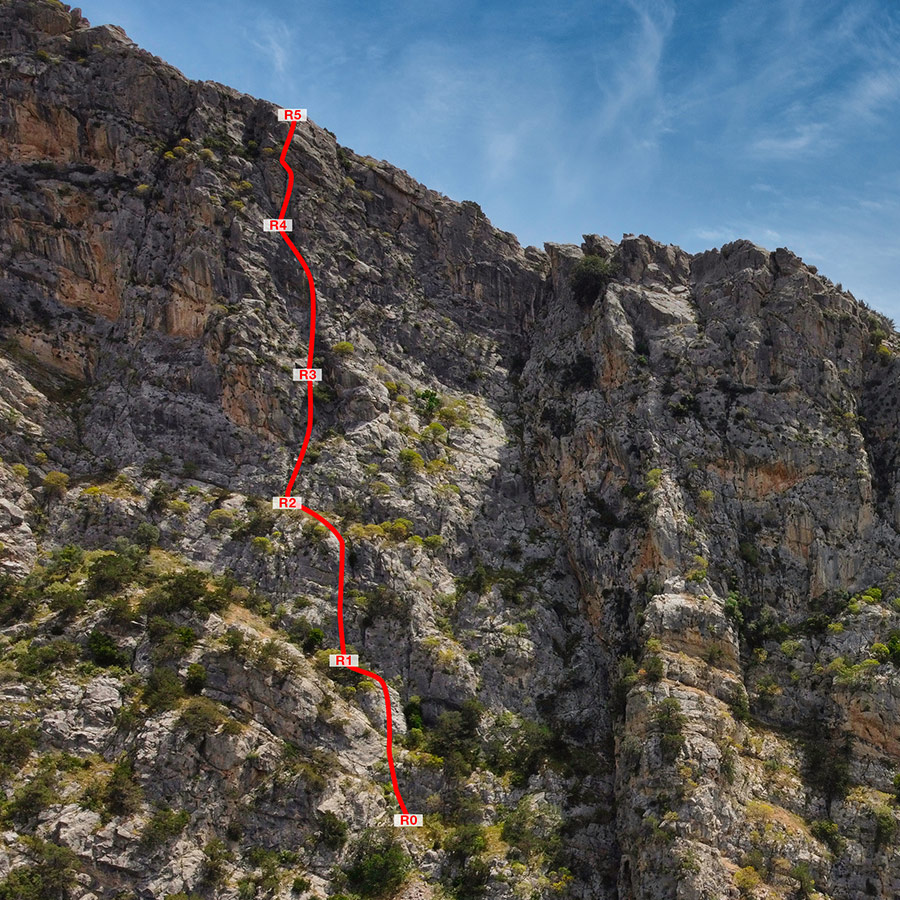
Asterope, one of the seven celestial sisters of the Pleiades constellation, lends her name to one of the most captivating multi-pitch routes of KatafykiGorge in Ermioni. Just as the mythical Asterope was transformed into a star by Zeus, this route invites climbers to rise skyward , from the rugged limestone walls of the gorge to the open blue above the Peloponnese.
From a climber’s perspective, the Asterope route is both a challenge and a revelation. Technical slab climbing, exposed pitches, and rewarding views that unfold with every meter gained.
Reaching the top of Pleiades Crag through Asterope feels like touching the heavens themselves. The rock is solid yet demanding, the movement elegant yet precise. A perfect balance of strength, focus, and serenity amid the mythic landscape of Ermionida.
Asterope, 6b+ 5 pitches, 130 m. | Multi Pitch Climbing in Pleiades Crag (Katafyki) – Ermioni
In the early 2000s, a climbing revolution took place in Ermionida, East Peloponnese, when the esteemed British climber, Jim Titt, and the German Inge Zaczek, dedicated a significant amount of time, resources, and effort to equip over 200 routes on the exceptional limestone rocks in the area using stainless steel bolts. The climbing community remains grateful for their contributions towards the development of sport climbing in the region.
Fast forward to 2021, Climb Ermionida (the local climbing community) with the invaluable aid and support of the Municipality of Ermionida and the Tripolis Mountaineering Club, undertook essential maintenance works on various crags and replaced several anchors with high-quality, certified materials.
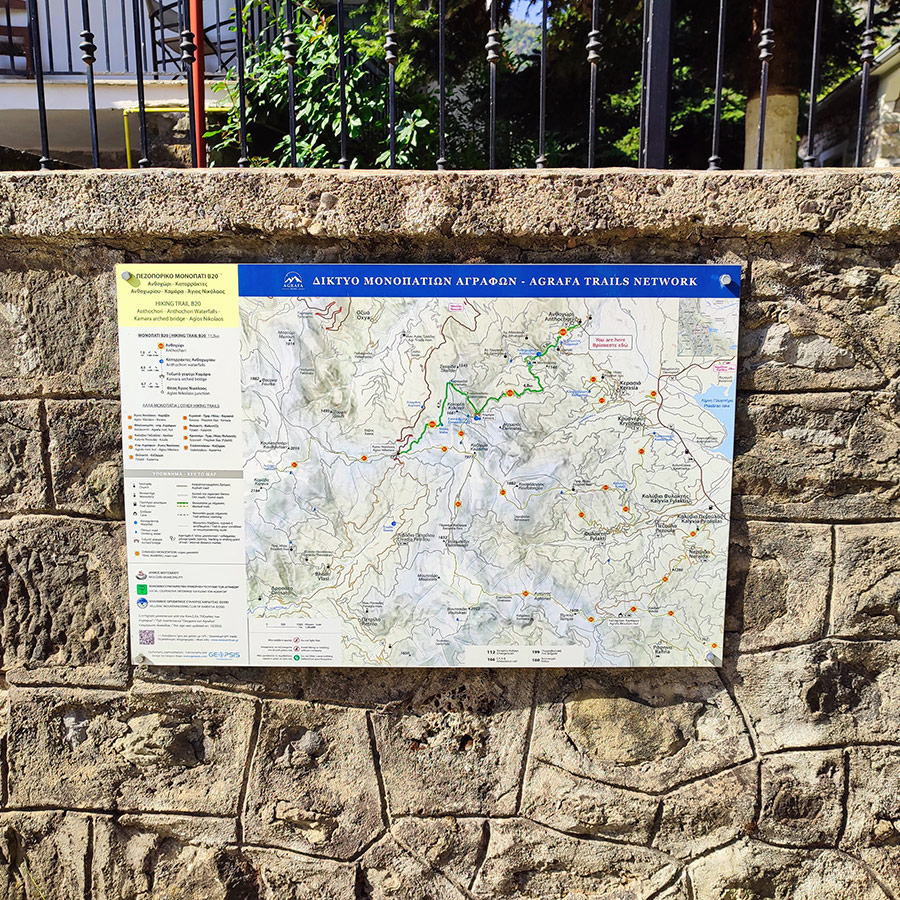
This time, I returned to Agrafa to visit a place that perfectly combines accessibility with natural beauty: the Anthochori Waterfall, located just outside Anthochori village in Karditsa. Unlike the more demanding routes in Agrafa , this short hike is family-friendly and ideal for anyone who wants to immerse themselves in the region’s nature without venturing too deep into the wilderness.
▶ Listen to this Post Now
The Agrafa Trails Network map in Anthochori, showing the route to Anthochori Waterfall.
This summer, we dared to venture beyond Greece’s majestic peaks and into the heart of Bulgaria—a country where nature reveals itself in countless layers. From dense forests alive with birdsong to tumbling waterfalls hidden in deep ravines, from serene alpine lakes reflecting jagged peaks to meadows perfect for wild camping under a canopy of stars, Bulgaria offered us a new chapter in our hiking journey.
Our expedition unfolded gradually, like turning the pages of a mountain storybook: beginning with the refreshing cascades of Belasitsa and its family-friendly trails, pausing for rustic comfort and nights under canvas at Belasitsa Hut, then climbing higher into the granite realm of Pirin with its glacial lakes and ancient pines, before finally descending into the gentle embrace of Rila, home to iconic alpine lakes and tranquil woodland eco-trails. Each step revealed not only new landscapes, but also the unique character and rhythm of Bulgaria’s great mountain ranges.
▶ Listen to this Post Now
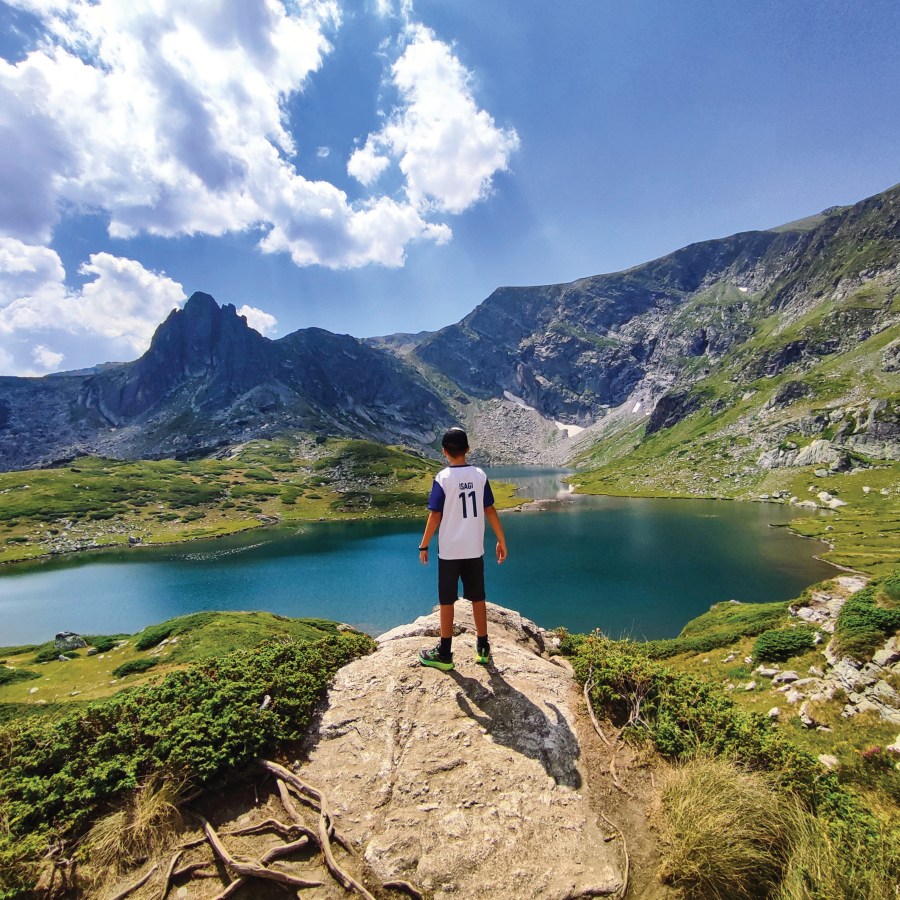
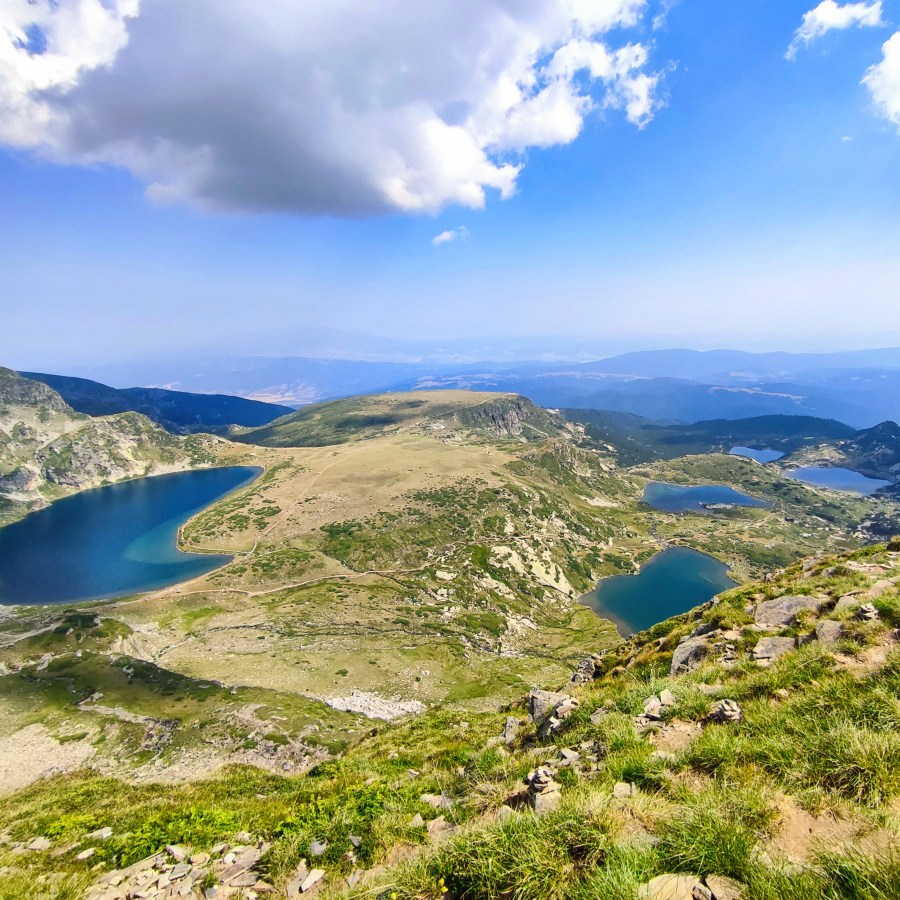
A hiker takes in the epic view above the Twin Lake.
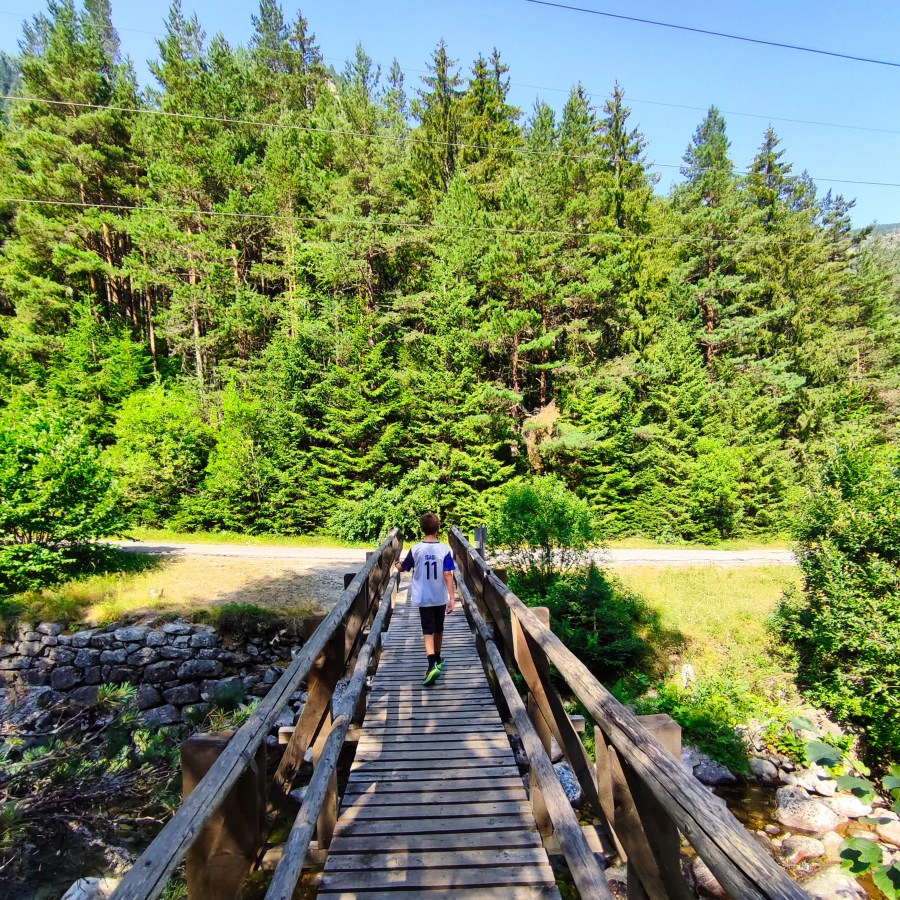
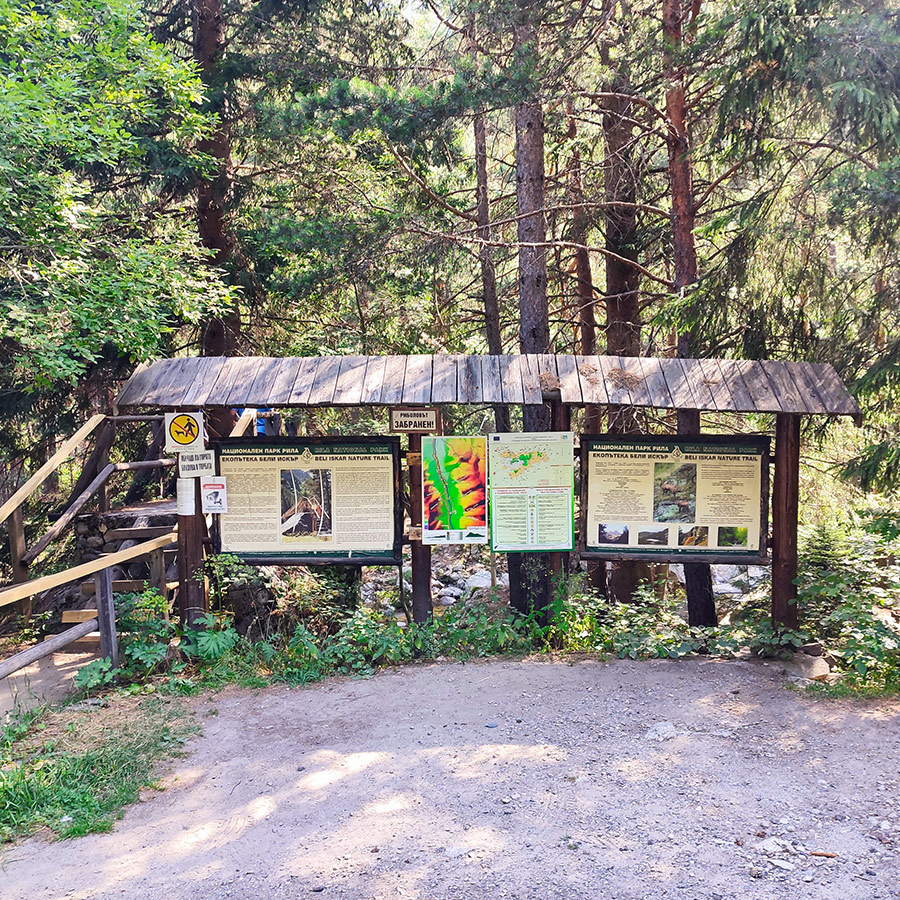
After completing one of the most iconic hikes in Bulgaria — the Seven Rila Lakes hike — it was time to explore another gem hidden in the heart of Rila Mountain: the Beli Iskar Eco-Trail. Unlike the high alpine hike to the glacial lakes, this trail offers a more family-friendly, forested route that follows the Beli Iskar River through a valley of dramatic cliffs, dense pine forests, and a series of charming wooden bridges.
The eco-trail is less demanding but equally rewarding, making it the perfect continuation of a hiking trip in Rila for those looking to enjoy nature in a calmer and more accessible way.
▶ Listen to this Post Now
Trail information boards introduce the route, natural highlights, and safety guidelines.
One of the hikes that had been on our bucket list since the very beginning of our travels in Bulgaria was without a doubt the legendary Seven Rila Lakes hike. These glacier-carved lakes, scattered like a string of pearls in the heart of Rila Mountain, are not just a natural wonder, they are a symbol of Bulgarian nature, spirituality, and alpine beauty.
After exploring Pirin and Rhodope, it was finally time to lace up our boots and head to Rila National Park. The Seven Lakes hike promised everything we love in a trail: alpine meadows, crystal-clear waters, rugged mountain scenery, and the chance to experience one of the most iconic landscapes in the Balkans.
▶ Listen to this Post Now
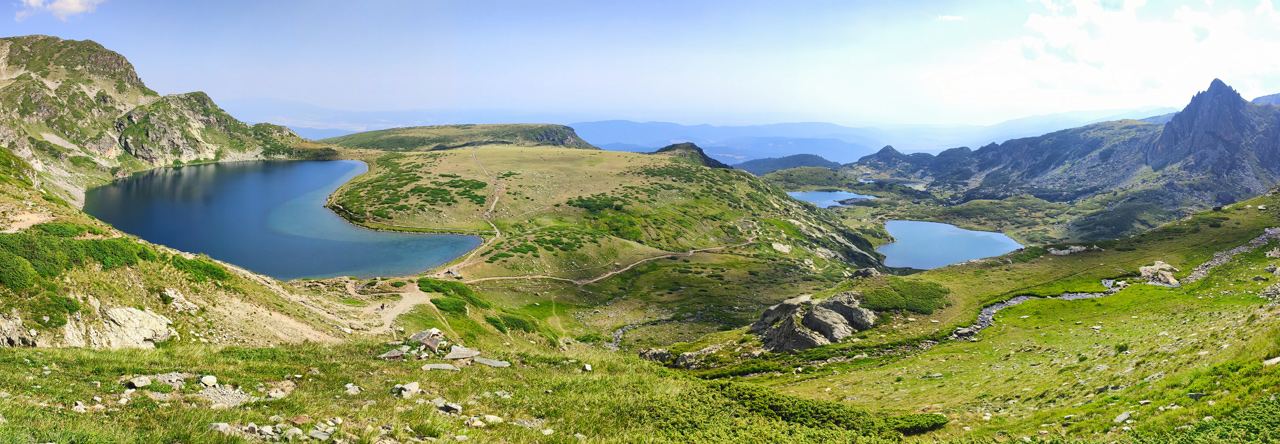
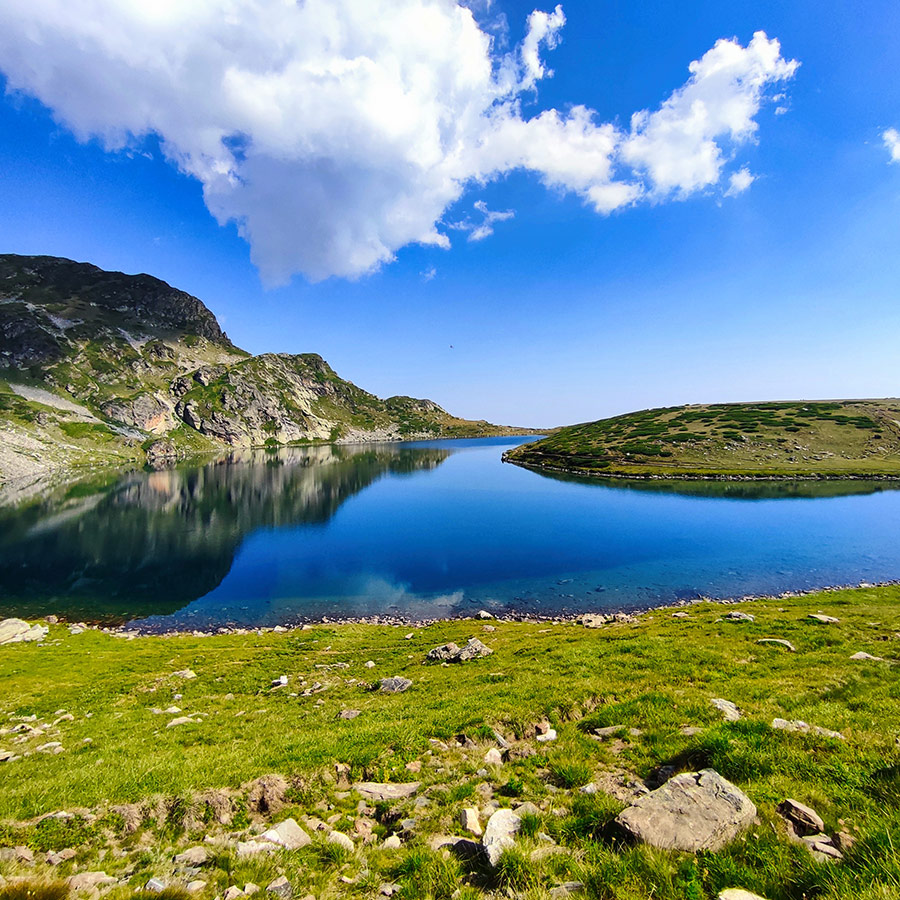
The iconic Kidney Lake – the most photographed of the Seven Rila Lakes.
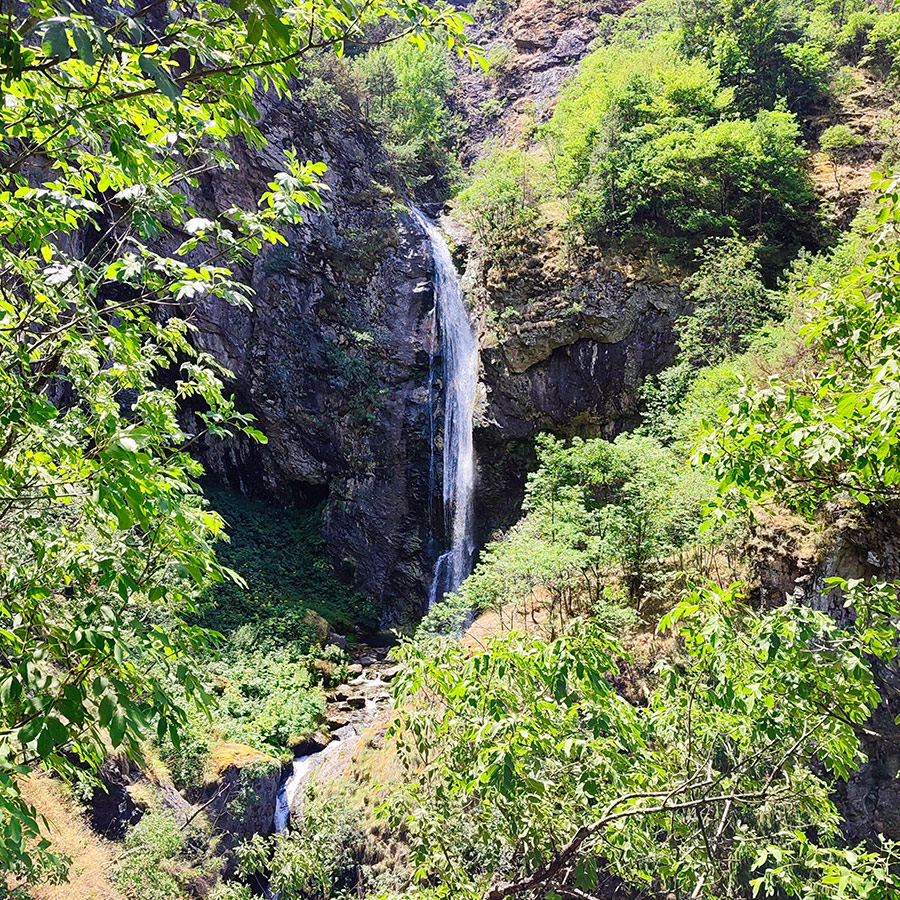
After spending some wonderful days exploring the dramatic alpine landscapes of Pirin Mountain, we moved further north to discover another jewel of Bulgaria’s highlands – Rila Mountain. Our first stop was the famous Goritsa Waterfall, also known as Ovcharchenski Vodopad, a 39-meter cascade hidden in the lush northern foothills of Rila, near the village of Ovchartsi.
This eco-trail offers not only a refreshing walk through shady pine forests but also a glimpse into local traditions, history, and legends that give this waterfall its unique character.
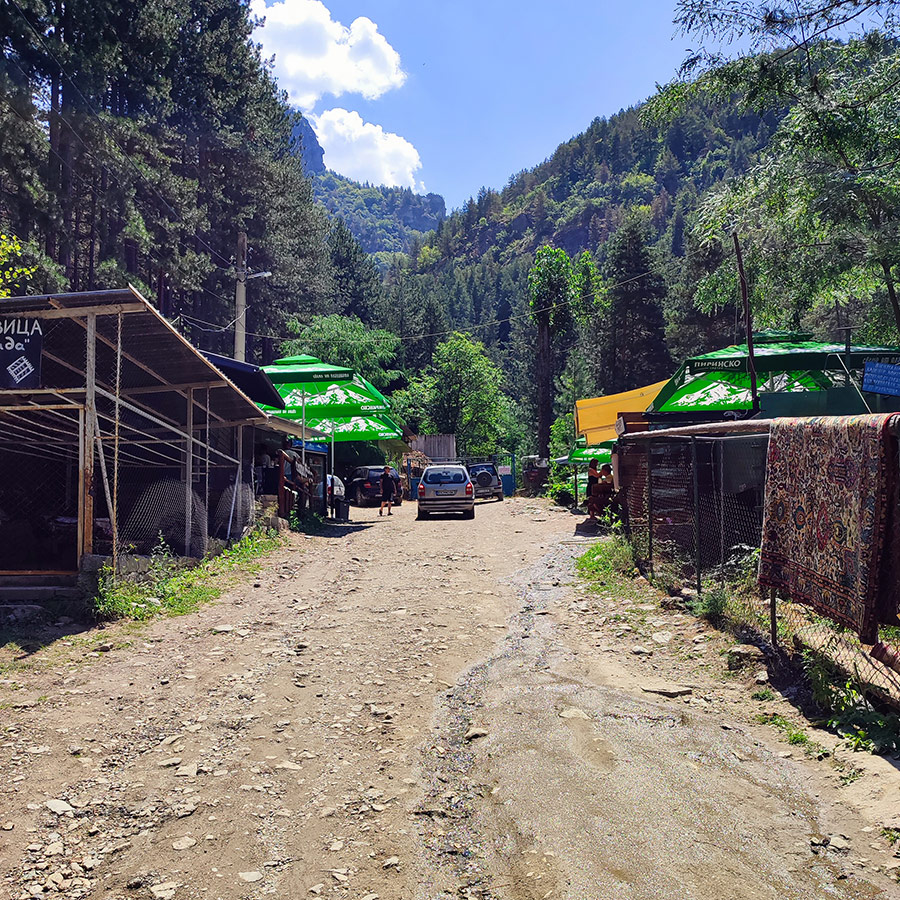
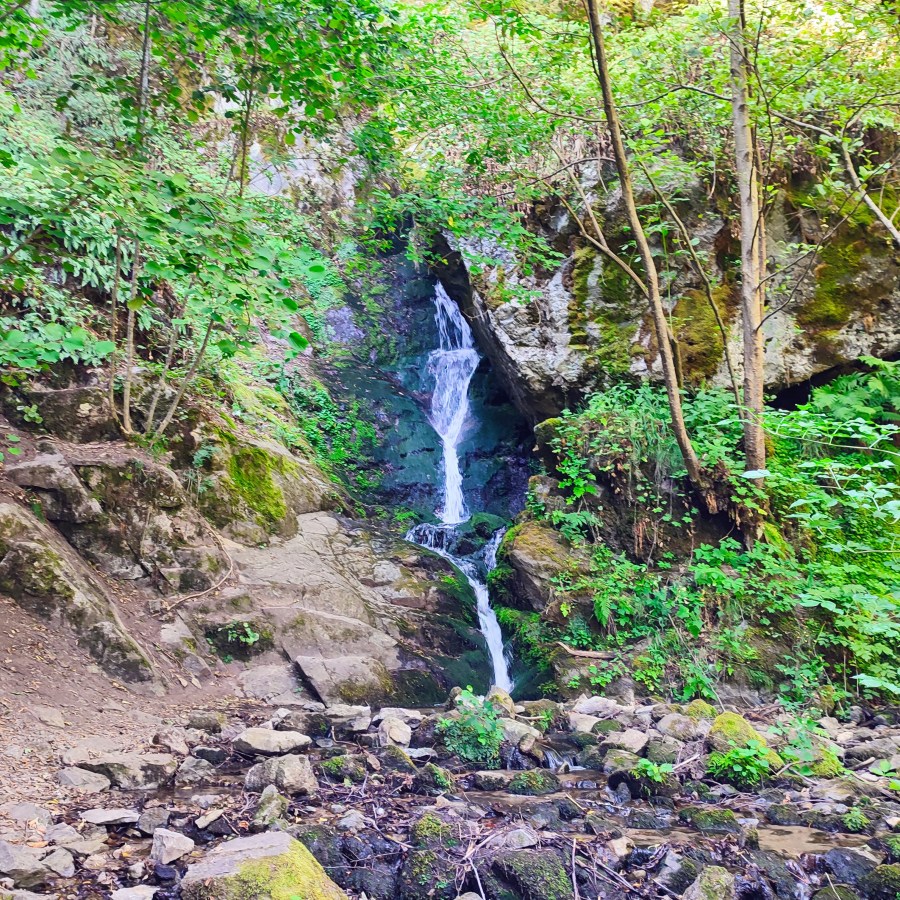
After spending two incredible days high in the alpine zone of Pirin Mountain, surrounded by jagged peaks and pristine alpine lakes, we decided to descend back into the valley and visit the charming town of Bansko. Known as one of Bulgaria’s most vibrant mountain towns, Bansko also serves as a gateway to many hidden natural wonders. Just a short drive from the town lies Saint Nicholas Waterfall (Vodopad Sv. Nikola), a tranquil oasis tucked into the forest, offering a refreshing escape and a glimpse into the raw beauty of Pirin’s foothills.
▶ Listen to this Post Now
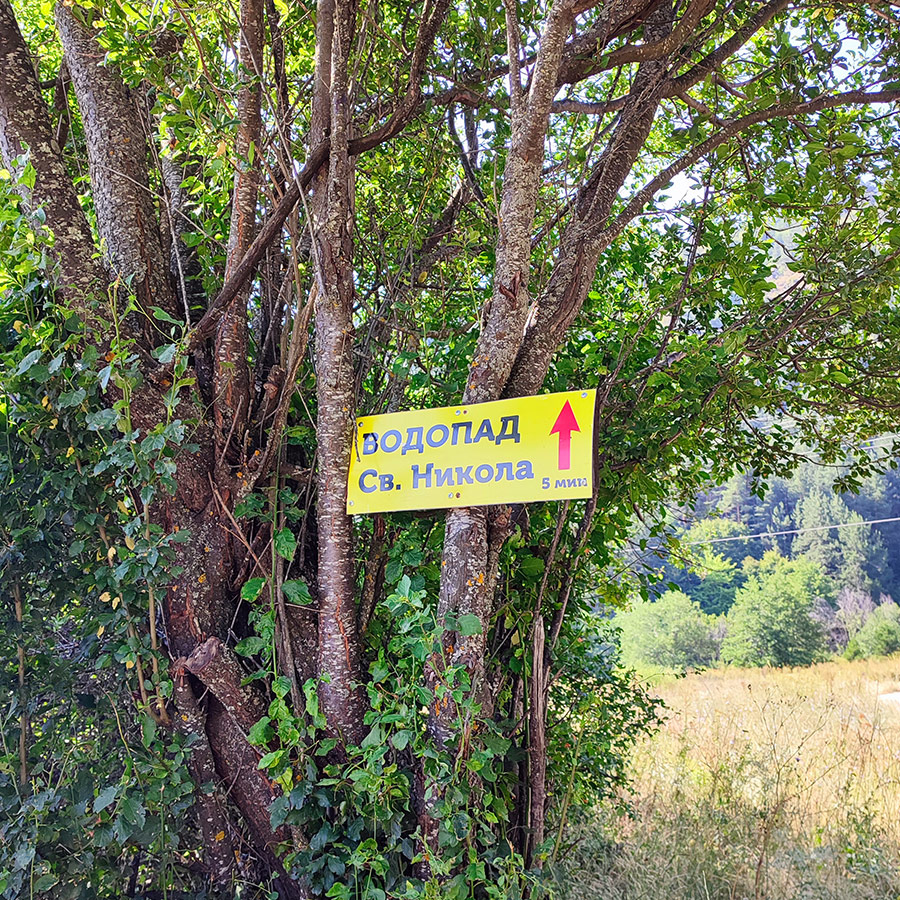
Trail sign pointing the way to Saint Nicholas Waterfall near Bansko.
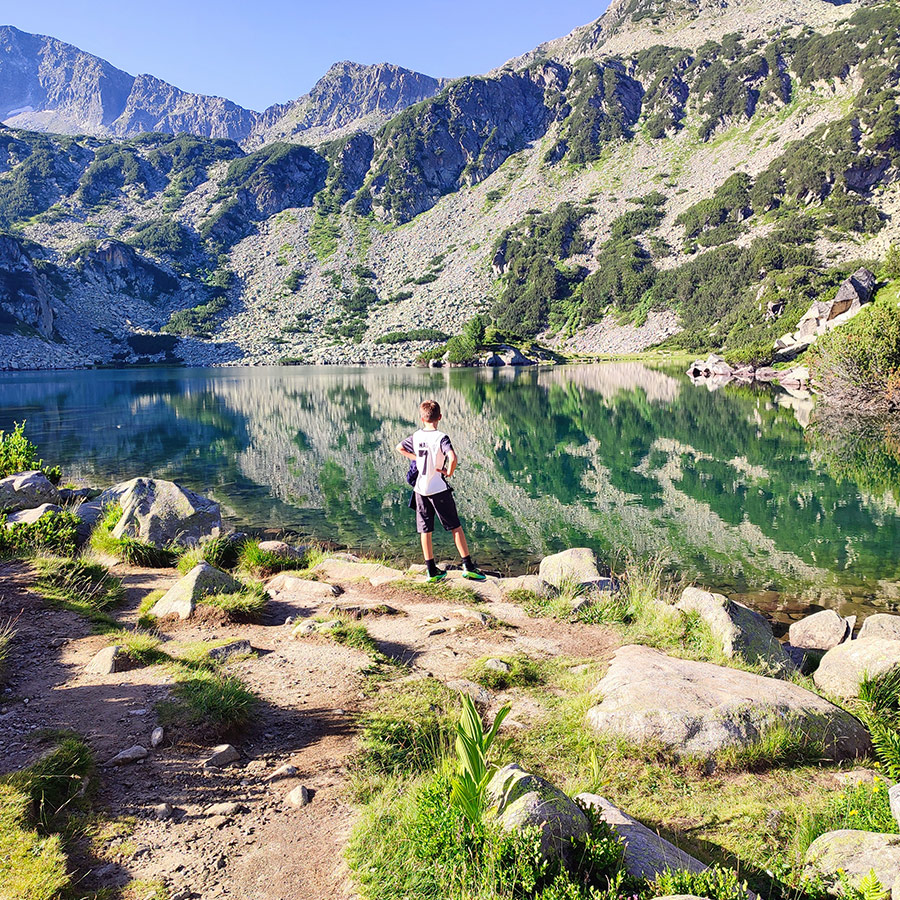
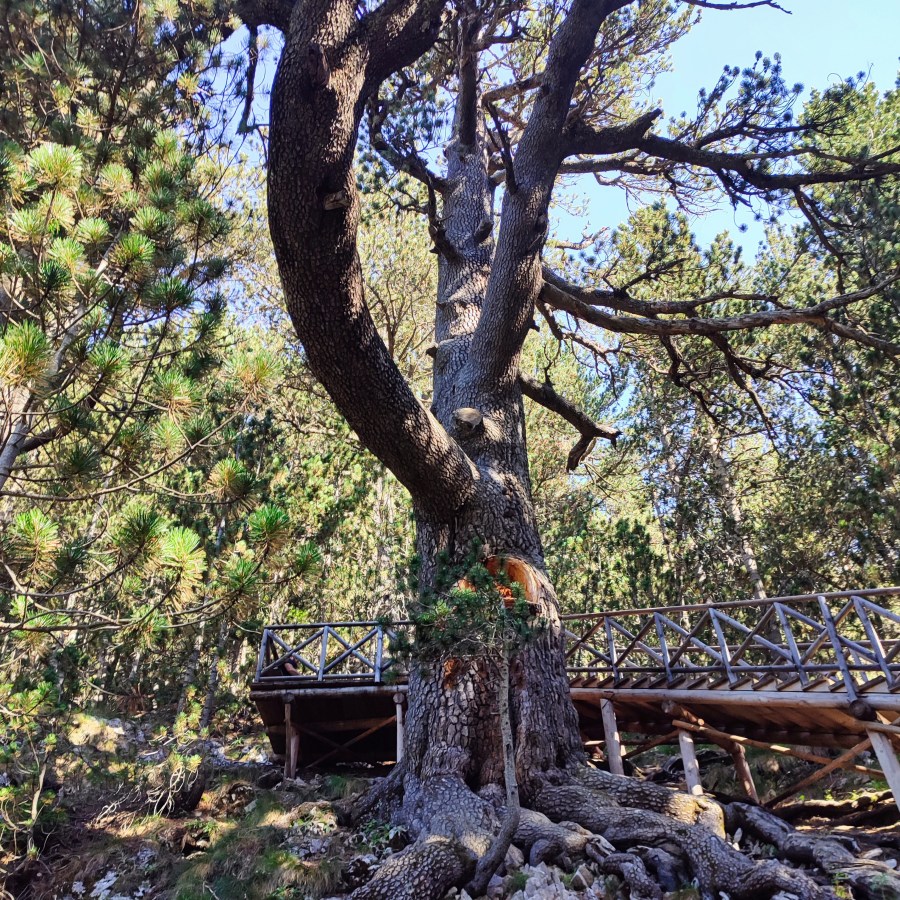
After a full day exploring the alpine lakes around Vihren hut, we still had some time and energy left. Instead of heading back straight away, we decided to take a short but rewarding detour to visit Baykusheva Mura, the legendary tree of Pirin. Known as one of the oldest coniferous trees in Bulgaria and the entire Balkans, this towering Bosnian pine is more than 1,300 years old and carries an aura of timelessness that makes the visit a truly special experience.
With the afternoon sun filtering through the pine forest and the wooden pathways guiding us gently upwards, the hike to Baykusheva Mura turned into one of those moments where history, nature, and hiking come together seamlessly.
 Olympus Mountaineering