Climbing in Taygetos Mountain

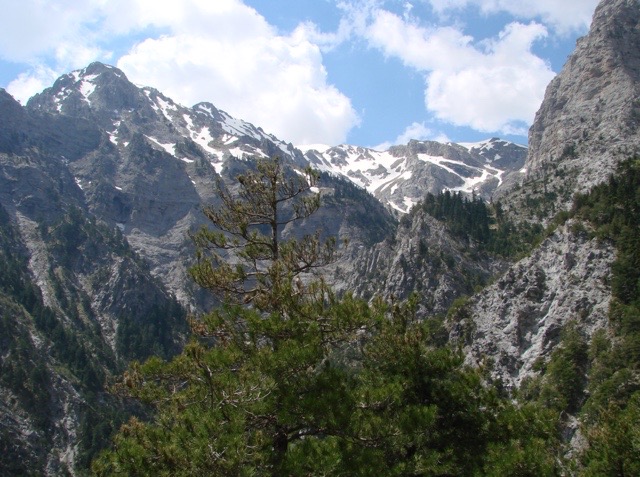
Taygetos, is a mountain range in the Peloponnese peninsula in Southern Greece. The highest mountain of the range is Mount Taygetus, also known as the “Profitis Ilias”, or “Prophet Elias”. The name is one of the oldest recorded in Europe, appearing in the Odyssey. In classical mythology, it was associated with the nymph Taygete. During Byzantine times and up until the 19th century, the mountain was also known as Pentadaktylos.

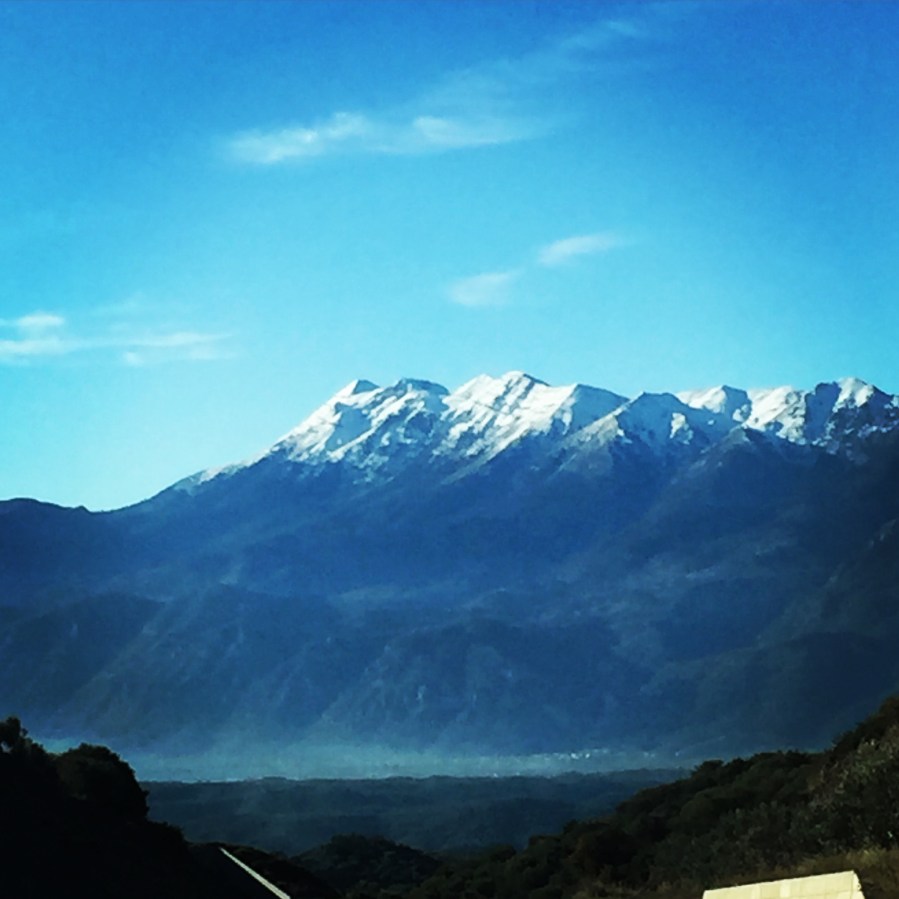
Driving on the highway that leads to the city of Sparti (Sparta, the city of the 300), the view of the mountain is overwhelming. The snowy peaks makes it even more special. After a short break for an early morning coffee in the suburbs of Sparti, we took the road towards the Magganiari Springs. From Magganiari Springs we have been on trail until the main refuge of the Taygetos Mountain. The refuge in the winter remains closed but by arrangements can be arranged to be open for mountaineers and climbers.

Once arrived in the refuge, we have seen the signs of several paths. Our goal was to reach the top of the mountain, the peak known as Profitis Ilias.

Boom 2016-06-30 at 08.18.57

Continue reading “Climbing in Taygetos Mountain”

Winter Ascent on Aroania Mountains

Aroania, also known as Helmos or Chelmos, is a mountain range in Achaea, Peloponnese, Greece. At 2,355 m elevation, Aroania is the third highest mountain of the Peloponnese, after Taygetus and Kyllini, and the highest in Achaea. The largest town near the mountain is Kalavryta. The municipal unit Aroania took its name from the mountain.

Aroania is situated in southeastern Achaea, near the border with Corinthia. The slightly higher Kyllini mountain is about 15 km to its east, separated from Aroania by the valley of the river Olvios. The mountain Erymanthos is about 30 km to the west, across the valley of the river Vouraikos. The rivers Krios, Krathis and Vouraikos drain the mountain towards the Gulf of Corinth in the north. The river Aroanios drains the mountain towards the southwest, to the Ionian Sea.

The first day we wanted to reach the waterfalls of Styga where the myth says “The plunging of Achilles in the Styga waters, leaving his heel vulnerable, as it was the spot from which Thetis was holding him, is an episode from the hero’s life that although it was commonly known, is solely mentioned by Statius, a Latin writer of the 1st century A.D; it is possible that the writer used this particular incident to justify the hero’s death from the arrow of the Troyan prince Paris.”


Continue reading “Winter Ascent on Aroania Mountains”